Integrate machine learning, telemetry sensors, and precision control hardware into your compliance-driven production pipelines.
The global manufacturing ecosystem is undergoing an unprecedented structural transition. The traditional reactive automation model, governed solely by deterministic Programmable Logic Controllers (PLCs), is evolving. Modern manufacturing demands predictive adaptability. Machine Learning (ML) serves as the core intelligence engine driving this transition, transforming simple data streams from industrial sensors into highly actionable prescriptive maintenance strategies.
By leveraging advanced regression models, deep neural networks (DNNs), and reinforcement learning, smart factories can detect micro-anomalies in rotating equipment, optimize energy consumption within variable-frequency motor drives, and orchestrate complex control loops. However, operating ML within a harsh factory floor requires compliance with strict safety directives. This is where CE Certification becomes an absolute necessity, validating that AI-driven control elements comply with EU health, safety, and environmental protection frameworks.
"Without certified physical hardware and standardized data protocols, ML models deployed on the edge represent operational risks rather than productivity gains. CE Certification ensures safety and predictability."
Recent industrial data shows that ML-driven predictive maintenance pipelines yield up to a 30% reduction in maintenance costs and a 70% elimination of unplanned downtime. For high-throughput factories, this translates directly to millions of dollars in annual capital expenditure preservation.
Shenzhen Eeptron PLC Co., Ltd. supports this transition by supplying high-reliability, certified replacement modules that keep legacy and modern control loops synchronized.
Maintenance Cost Reductions
Full Hardware Warranty
Edge Inference Latency
Factory Control Reliability
Key technological vectors redefining the intersection of Edge AI and operational technology (OT).
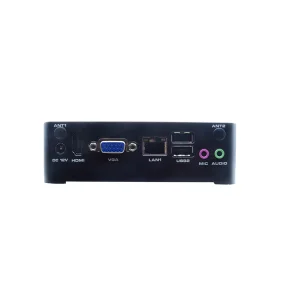
Deploying models directly onto robust, fanless industrial hosts (e.g., J1900 platforms) to eliminate latency and cloud dependency. This enables real-time anomaly detection and closed-loop control.
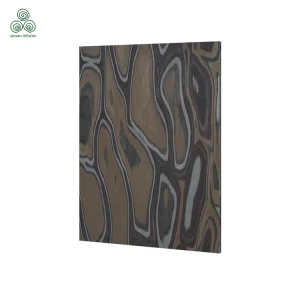
Applying vision-based machine learning for precise classification of materials. Virtual wood selection and 3D modeling enable error-free architectural and modular wall panel fabrication.
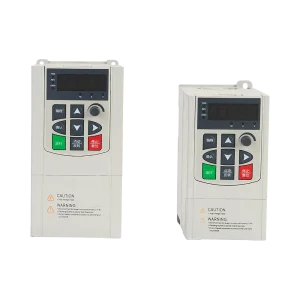
Integrating intelligent power modules (IPM) with sensor arrays to monitor torque variables, motor temperature, and load harmonics in real time, preventing winding failures.
How manufacturing plants translate abstract algorithms into concrete machine-level enhancements.
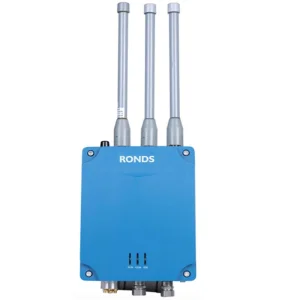
In highly dusty and hazardous cement environments, rotating equipment like ball mills and rotary kilns operate under continuous structural stress. By installing a CE Certified Wireless Bearing Condition Monitoring System, physical vibration parameters are digitized at the edge. Machine learning models (e.g., Fast Fourier Transform analysis matched with neural net anomaly decoders) process these high-frequency vibrations to predict bearing flaking months before a structural breakdown occurs.
This localized system reduces manual maintenance routines in unsafe environments, keeping workers safe and operations continuous.
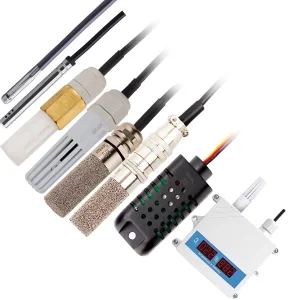
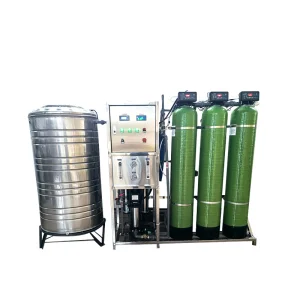
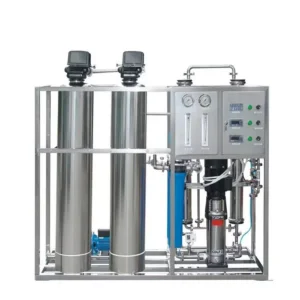
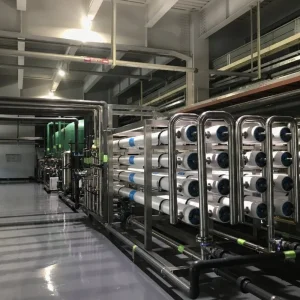
Industrial reverse osmosis (RO) water purification units require strict pressure and chemical dosing controls. By linking PLC and HMI systems with continuous Modbus-based temperature and humidity sensors, an ML model can forecast membrane fouling rates based on input salinity, pressure drops, and ambient heat signatures. This ensures proactive CIP (Clean-in-Place) execution, saving chemical expenditures and preventing membrane degradation.
Deploy Modbus RTU sensors, wireless accelerometers, and thermal probes. Collect clean operational telemetry and establish baseline parameters.
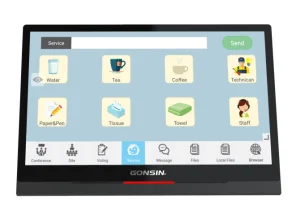
Route industrial communication signals to fanless industrial computers or SCADA terminals. Normalize and clean noisy signal data locally.
Build and validate predictive maintenance algorithms. Deploy models onto edge controllers for ultra-low latency anomaly detection.
Integrate ML predictions directly with safety-certified PLCs to automatically throttle motors or adjust feed pressures when issues are detected.
As a trusted global leader in industrial automation supply chains, Shenzhen Eeptron PLC Co., Ltd. was established with a singular mission: to provide high-quality industrial automation replacement parts to customers worldwide. We specialize in sourcing and delivering above-standard products, hard-to-find components, and obsolete parts essential for maintaining legacy production lines and supporting new smart upgrades.


To ensure customer confidence and maintain operational reliability, all products are backed by a 24-month comprehensive warranty. Backed by an experienced and professional team, Eeptron consistently delivers dependable solutions that meet the rigid demands of modern industry.
We serve clients across Europe, the United States, the Middle East, and many other regions, offering flexible and fast shipping options, including next-day air delivery for urgent requirements. This efficient logistics network enables customers to minimize downtime and maintain smooth operations.
Whether you require legacy DCS components, modern PLC microcontrollers, fanless industrial PCs, or wireless environmental sensors, Eeptron ensures a seamless, hassle-free purchasing experience through continuous improvement and customer-centric service.
Expert insights on integrating predictive technologies within safety-regulated industrial spaces.
CE Certification ensures that any electronic control unit or sensor deployed on a factory floor conforms to European Union health, safety, and electromagnetic compatibility (EMC) regulations. For machine learning applications, this guarantees that high-frequency processing units do not emit harmful electromagnetic interference (EMI) that could disrupt critical PLC functions, nor are they vulnerable to industrial electrical surges.
OEE relies on three core factors: Availability, Performance, and Quality. By continuously tracking vibration and temperature telemetry from bearings, the system flags mechanical fatigue before it causes a sudden structural failure. This minimizes unplanned shutdowns (boosting availability) and prevents degraded bearings from slowing down production rates (boosting performance).
Yes. By utilizing fanless industrial hosts (such as the J1900 Fanless PC) or edge gateways running Modbus RTU / TCP, you can extract register data from legacy PLCs. These data streams are then processed by local ML models at the edge. The results are pushed back to the PLC as control variables, effectively upgrading legacy lines without requiring a full system redesign.
Shenzhen Eeptron PLC Co., Ltd. provides flexible and fast shipping options, including next-day air delivery for urgent requirements, ensuring global clients in Europe, the US, and the Middle East can quickly resolve critical hardware issues and minimize costly plant downtime.
Reliable control, telemetry, and monitoring equipment designed for long-term continuous operation.
 Eeptron PLC