
In the contemporary landscape of Industry 4.0, the capacity to capture, process, and analyze telemetry data at the microsecond level is no longer a premium differentiator—it is a baseline requirement. Modern infrastructure demands a seamless fusion of physical hardware and digital architectures. Custom OEM real-time analytics platforms serve as the nervous system of modern smart factories, energy grids, and high-precision processing systems. By moving computing workloads to the network edge, enterprises mitigate bandwidth bottlenecks, slash transit latency, and bypass the architectural vulnerabilities inherent to pure cloud environments.
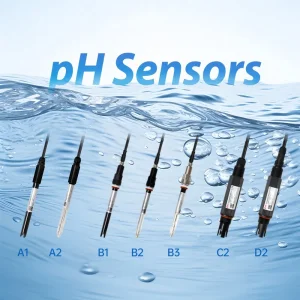
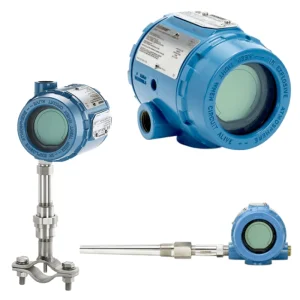
As global manufacturers scale, the need for customized, hardware-agnostic, and ruggedized edge computing platforms rises. These setups must dynamically interface with legacy PLC networks, fieldbus systems, and high-frequency telemetry instrumentation. Custom OEM analytics architectures ensure that data acquired from high-accuracy physical sensors—such as the Rk500-12 High-Accuracy Industrial pH Meter or Rosemount 3144p Temperature Transmitters—is not just collected, but instantly contextualized to execute automated corrective interventions or update complex Digital Twin Simulation Environments.
Optimized data bus architectures engineered to handle millions of metrics per second with ultra-low compute overhead.
Dual-path processing combining local real-time operational decisions with background cloud analytics consolidation.
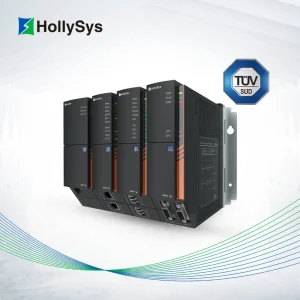
System architectures integrating hardware redundancy standards like the Hollysys SIL2 Safety Instrumented System.
Shenzhen Eeptron PLC Co., Ltd. was established with the mission of providing high-quality industrial automation replacement parts to customers worldwide. From the beginning, the company has been committed to delivering above-standard products and reliable services at competitive and fair prices. To ensure customer confidence, all products are backed by a 24-month warranty. Supported by an experienced and professional team, Eeptron consistently delivers dependable solutions that meet the demands of modern industry.
A key vulnerability in large-scale real-time analytics installations is the lifecycle mismatch between operational hardware (which lasts decades) and digital analytics layers (which update continuously). Shenzhen Eeptron PLC Co., Ltd. bridges this critical gap. By specializing in hard-to-find, discontinued, and obsolete hardware components, Eeptron guarantees that legacy infrastructure can be successfully retrofitted with modern IoT gateways and computing platforms. This prevents forced lifecycle replacements and allows enterprises to extract deep digital intelligence from legacy automation cells.

Deploying a high-performance telemetry platform requires a detailed multi-tiered structure. The diagram of data flow spans from localized field instrumentation up to the cloud-native data lakehouse. An OEM analytics platform must resolve challenges across three distinct physical levels:
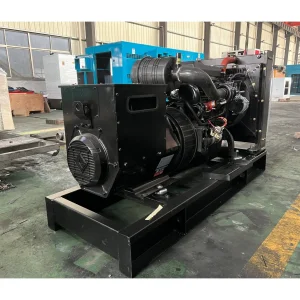
Field assets communicate via heterogeneous protocols (Modbus TCP/RTU, OPC UA, PROFINET, HART, and EtherCAT). The OEM platform uses micro-kernel translation layers to compile these raw inputs into a unified schema. This is critical when correlating inputs from diverse machinery—such as Weichai Diesel Power Generators and BPJ Variable-Frequency Drives—into a centralized monitoring dashboard.
Before transmitting datasets to remote cloud databases, edge processors execute pre-aggregation, noise filtering, and anomaly detection algorithms. Utilizing specialized FPGA or ARM-based compute cards, the system filters out signal noise and runs lightweight digital twin calculations (such as real-time thermal stress simulations) without needing backhaul connectivity.
The core storage level uses highly optimized time-series database clusters (e.g., InfluxDB, TimescaleDB) and message brokers like Apache Kafka. These systems route data streams to local HMIs and remote analytics suites simultaneously. This guarantees that control operators and enterprise analysts see identical, synchronized real-time data.

Industrial operations cannot tolerate long delivery times. A missing PLC controller, SIS module, or transmitter interface can result in significant financial losses. Shenzhen Eeptron PLC Co., Ltd. addresses this vulnerability through an optimized global logistics network.
By serving clients across Europe, the United States, the Middle East, and many other regions, Eeptron offers flexible and fast shipping options, including next-day air delivery for urgent requirements. This efficient logistics network enables customers to minimize downtime and maintain smooth operations. Operating from Shenzhen—the world's capital for hardware supply chains—Eeptron has direct access to manufacturing lines, component designers, and testing facilities. This enables rapid custom OEM design adjustments, physical prototyping, and quick quality certification.
Furthermore, the company specializes in sourcing hard-to-find, discontinued, and obsolete parts. This ensures that factories with older, legacy architectures can continue operating. Eeptron helps integrate these older setups with modern, high-performance edge computing infrastructure.
Deploying real-time analytics platforms globally requires compliance with strict regional regulatory standards. Each territory has distinct laws regarding data collection, transmission, and retention. Custom OEM platforms must be engineered from the ground up to respect these regulatory boundaries while maintaining low latency.
European deployments require that personally identifiable information (PII) and raw industrial metadata remain within EU sovereign borders. Our systems support localized clustering, on-premise data masking, and dedicated regional nodes (e.g., AWS Frankfurt, Microsoft Dublin) to ensure total GDPR alignment.
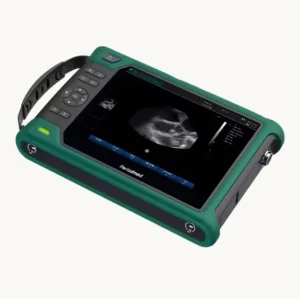
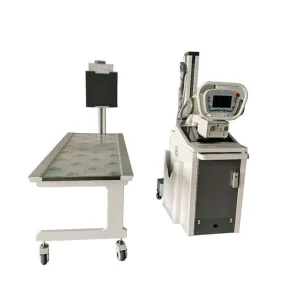
In healthcare environments—utilizing systems like Medical Digital X-ray Systems and Veterinary Ultrasound Systems—OEM platforms process sensitive diagnostic imagery. Implementations feature end-to-end AES-256 encryption, role-based access control (RBAC), and immutable audit trails for HIPAA compliance.
To ensure safe operation in control rooms worldwide, OEM visualization interfaces support dynamic localization. HMIs translate engineering units (metric vs. imperial), alarm priority color-coding, and alert scripts into the regional language of the facility's operators.
Global procurement teams evaluate analytics platforms based on compatibility with legacy setups, system reliability, and supply chain security. OEM platforms must integrate with existing hardware investments to avoid costly equipment overhauls. Below is an analysis of how custom telemetry platforms integrate with common industrial equipment:
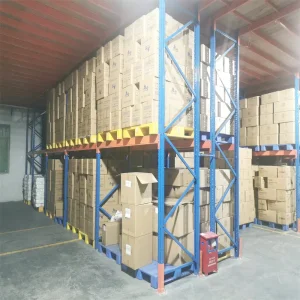
Integrating platforms like Advanced Smart Digital Twin Storage with Live Analytics enables warehouse managers to monitor mechanical fatigue, optimize shuttle pathways, and run automated stress test simulations on system structures.
Connecting telemetry directly to Solid State HF Welding Machines and high-power generator sets allows the platform to analyze electrical frequency anomalies, temperature spikes, and input voltage fluctuations, helping to prevent catastrophic equipment failures.
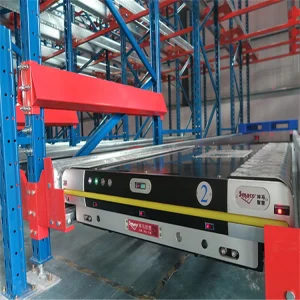
By integrating safety systems with automated storage setups—such as the CE Certified Radio Pallet Shuttle Racking System—the platform monitors real-time speed, load weights, and alignment to ensure safety and prevent transport accidents.
 Eeptron PLC