Explore our core selection of active edge-compute devices, signal processing components, and safety systems optimized for modern smart factories.
Months Warranty Guaranteed
Hardware Integration Reliability
Edge AI Processing Capabilities
Compliance and Localization Support
Navigating sensor integration supply chains, modern IIoT updates, and structural legacy system mitigations.
Industrial giants face a massive dilemma: reconciling state-of-the-art telemetry (high-speed vibration, laser leveling, thermodynamic flow metrics) with legacy control environments like older Honeywell, Emerson, or Siemens rack platforms. Sourcing direct replacements is a structural bottleneck.
Strategic procurement relies heavily on trusted partners who can provide certified, tested legacy components. The loss of a single DCS card can trigger downstream OEE losses exceeding $150K per day, prioritizing vendors who guarantee functional equivalence and comprehensive warranties.
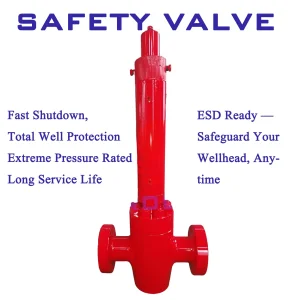
Procuring industrial components requires verified safety metrics: ESD (Emergency Shutdown) compatibility for oil and gas control valves, ingress protection (IP66 minimum) for dust/water-heavy environments, and high-temperature tolerance to guarantee sensor integrity.
A multi-tiered topological framework for transitioning analog field variables to enterprise analytics engines.
Integrating modern sensor configurations requires a unified architectural approach. Rather than deploying isolated automation setups, operations managers need standardized communication fabrics that bridge the physical and virtual layers of their plants.
The following model illustrates how data moves from physical edge assets to operational decision-making platforms:
| Architecture Level | Primary Components | Key Communication Protocols | Design Priorities |
|---|---|---|---|
| Level 1: Field Device & Sensor Nodes | IP66 Leveling Encoders, RTDs, Strain Gauges, API 6A ESD Safety Valves | 4-20mA HART, IO-Link, Modbus RTU | Physical durability, electromagnetic shield isolation, intrinsic safety. |
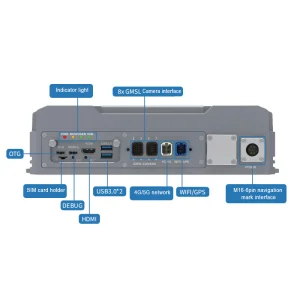
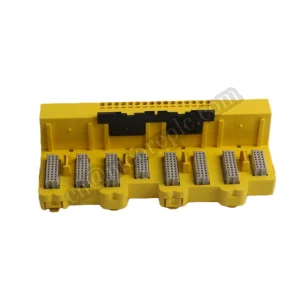
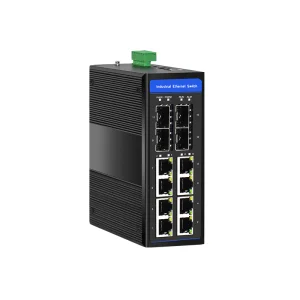
| Level 2: Control & Edge Intelligence | Emerson Terminal Blocks, Nvidia Jetson Orin Nano, Managed Industrial Switches | EtherNet/IP, PROFINET, OPC UA | Deterministic real-time execution, local processing pipelines, AI inference. |
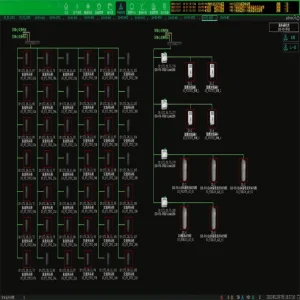
| Level 3: Operations Supervision (SCADA) | SCADA Host Nodes, Plant HMIs, Redundant PLC/DCS controllers | DNP3, Modbus TCP, MQTT Sparkplug B | Dynamic visualization, historical logging, alarm management. |
| Level 4: Digital Twins & Cloud | Digital Twin-Optimized Tube Forming Dies, Cloud Infrastructure, Predictive Engines | RESTful APIs, AMQP, Kafka Streams | Virtual commissioning, machine learning model updates, asset health tracking. |
Combining these layers allows companies to execute robust data pipelines. For example, a plant monitoring system can route high-speed analog metrics from a generator field coil through terminal blocks to an edge computer, analyze the vibration signature locally, and feed the operational status directly into a DCS system via Modbus TCP.
Strategic directions in sensor integration, predictive intelligence, and cyber-physical automation platforms.
Processing sensor data directly at the field boundary is replacing centralized computation architectures. Edge computing platforms (such as the 34 TOPS Nvidia Jetson Orin Nano) run convolutional neural networks in real time, detecting micro-anomalies on machinery and initiating shutdowns locally without relying on cloud-layer latency.
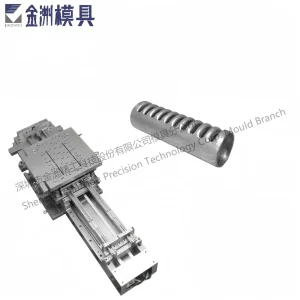
Virtual testing platforms (such as our Digital Twin-Optimized Tube Forming Die) allow engineers to simulate machine cycles before applying physical loads. Integrating physical sensor feedback into a real-time virtual clone helps predict mechanical wear patterns and significantly reduces configuration periods.
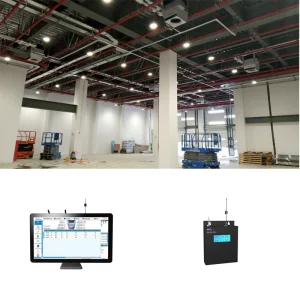
Connecting solar control infrastructures and variable industrial processes into a centralized SCADA backbone provides deep, cross-functional visibility. Monitoring environmental baselines along with electrical loads helps modern facilities balance energy consumption patterns.
How modern enterprises balance legacy architectures with next-generation smart-factory goals.
Modern industrial sites rarely have the luxury of rebuilding their automation systems from scratch. Heavy facilities, such as petrochemical refineries, steel rolling mills, and municipal water treatment plants, run on infrastructure deployed over decades. To remain competitive, these operations must integrate new sensor systems into existing control environments.
This challenge is highly visible in global manufacturing regions:
In this environment, sourcing hard-to-find components is a critical operational priority. Having reliable access to legacy PLC and DCS cards prevents minor hardware issues from turning into major facility shutdowns.
Global Provider of Trusted Industrial Automation & Legacy Sourcing Solutions
Shenzhen Eeptron PLC Co., Ltd. was established with the mission of providing high-quality industrial automation replacement parts to customers worldwide. From the beginning, the company has been committed to delivering above-standard products and reliable services at competitive and fair prices. To ensure customer confidence, all products are backed by a 24-month warranty. Supported by an experienced and professional team, Eeptron consistently delivers dependable solutions that meet the demands of modern industry.
The company serves clients across Europe, the United States, the Middle East, and many other regions, offering flexible and fast shipping options, including next-day air delivery for urgent requirements. This efficient logistics network enables customers to minimize downtime and maintain smooth operations.
Shenzhen Eeptron PLC Co., Ltd. specializes in supplying a wide range of industrial automation equipment, with a particular focus on hard-to-find, discontinued, and obsolete parts. By maintaining strong sourcing capabilities and strict quality control standards, the company ensures that every component meets performance expectations. Eeptron is dedicated to creating a seamless and hassle-free purchasing experience. Through continuous improvement and customer-centric service, they keep critical industrial lines running.


Meeting regional industrial safety regulations, electrical standards, and global operational demands.
Deploying industrial machinery across borders requires strict adherence to regional compliance and certification protocols. A system configured for North America must meet different guidelines when installed in the European Union or the Middle East.
Key regulatory standards for sensor integration include:
Shenzhen Eeptron PLC Co., Ltd. supports these requirements by providing components that carry the necessary certifications. Whether shipping replacement parts to Europe, the US, or the Middle East, our technical teams verify that all parts meet required specifications, helping you maintain compliance and avoid costly delays.
Technical guidance on retrofitting legacy hardware and maintaining industrial system uptime.
Explore our complete catalog of industrial automation components, power generation gear, and process controls.
 Eeptron PLC