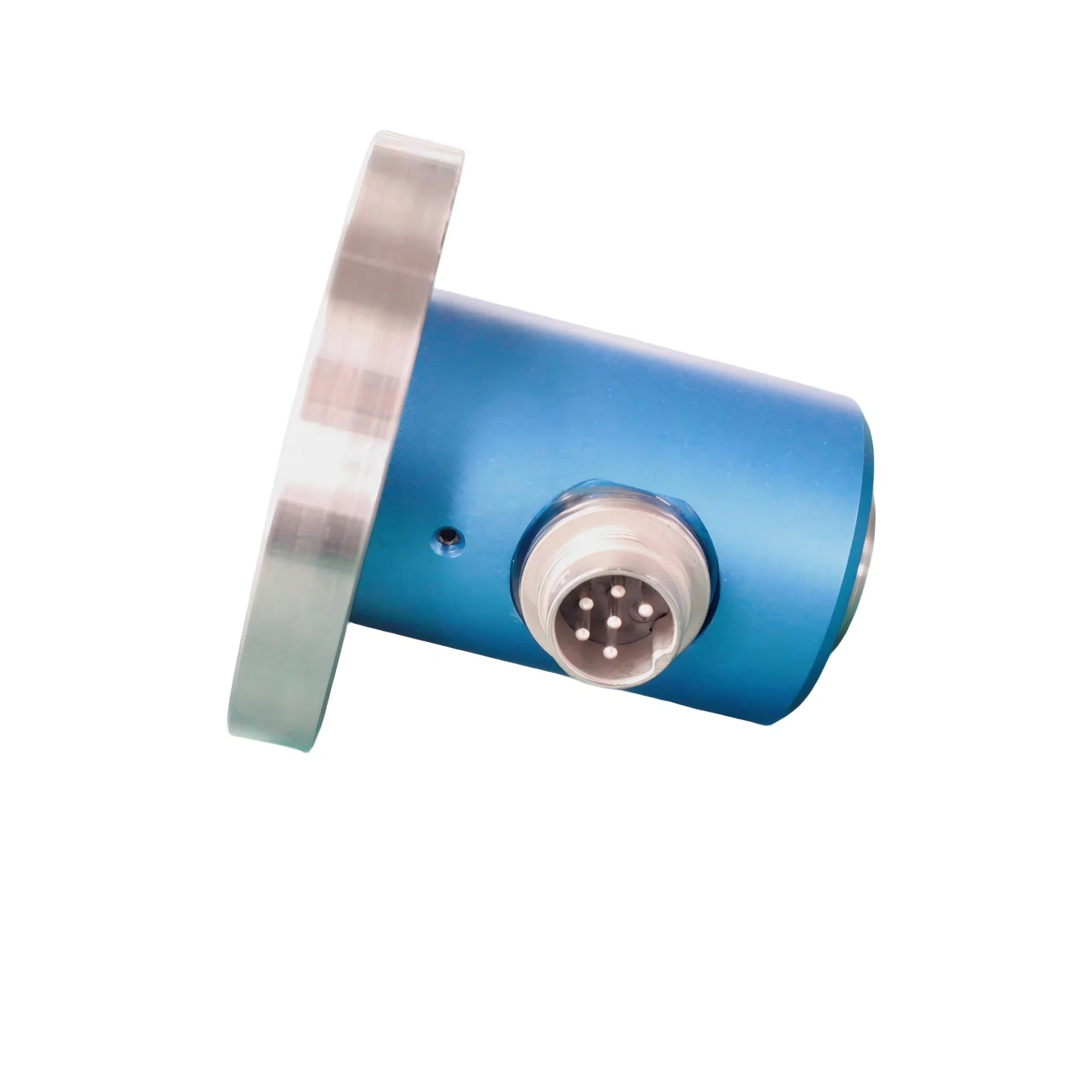
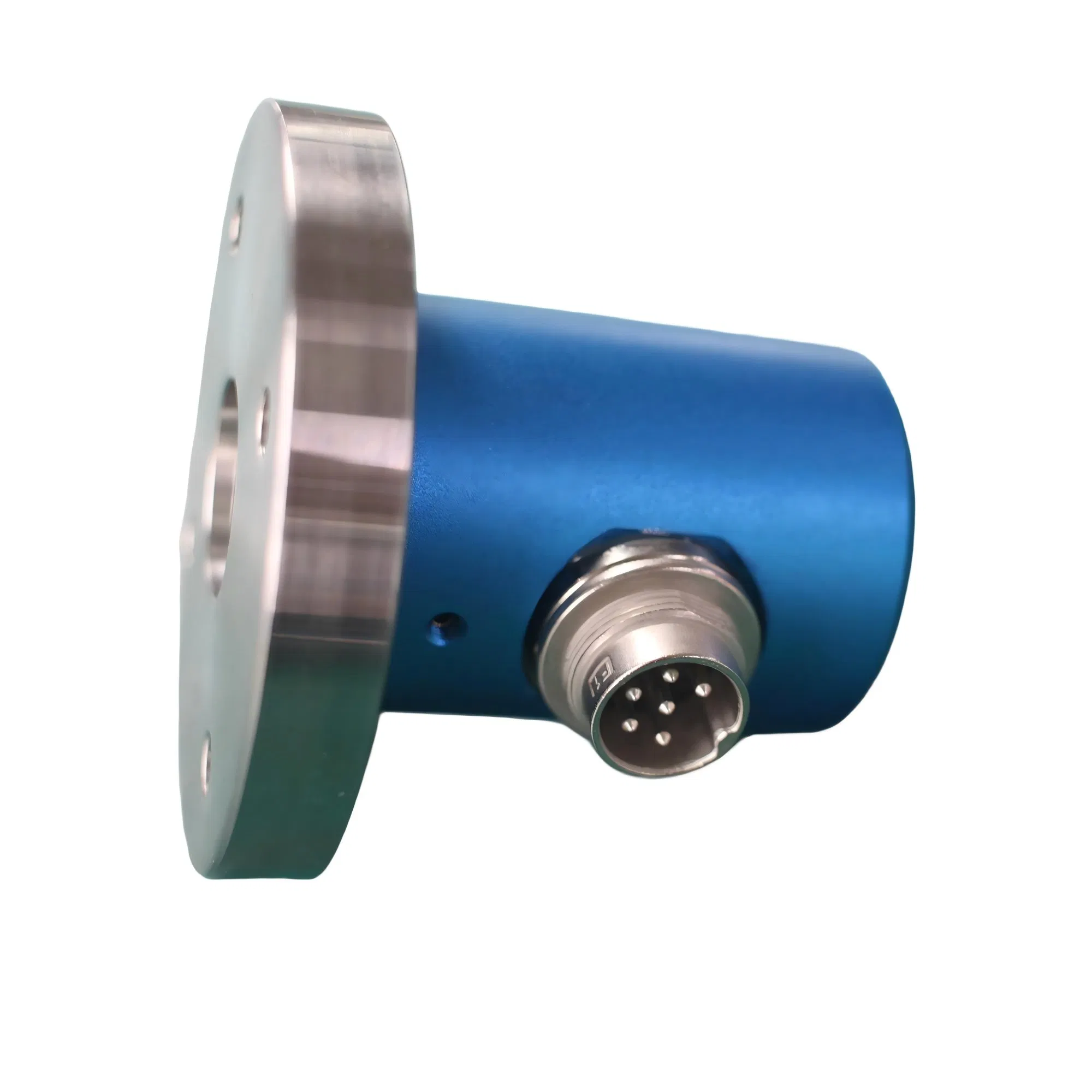
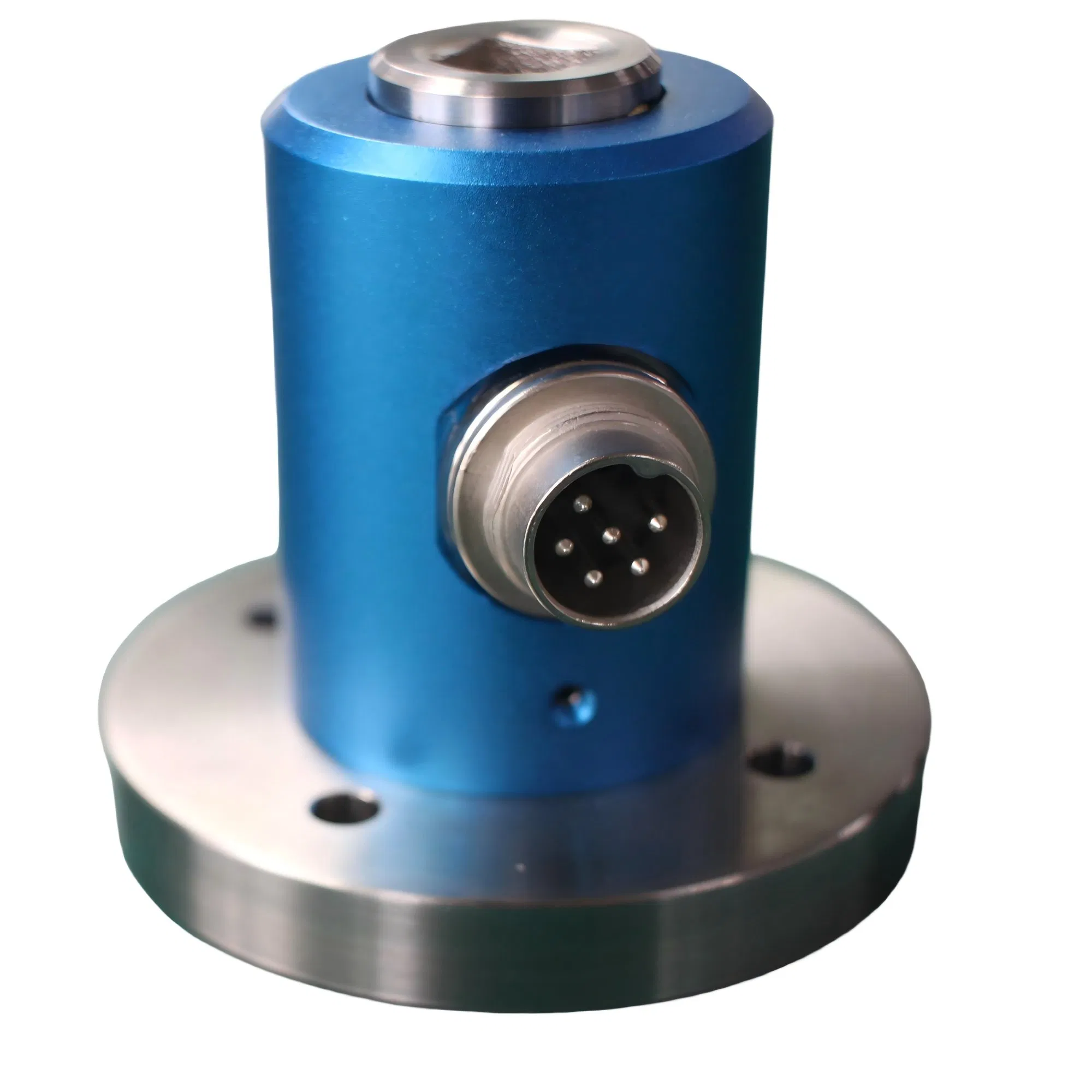
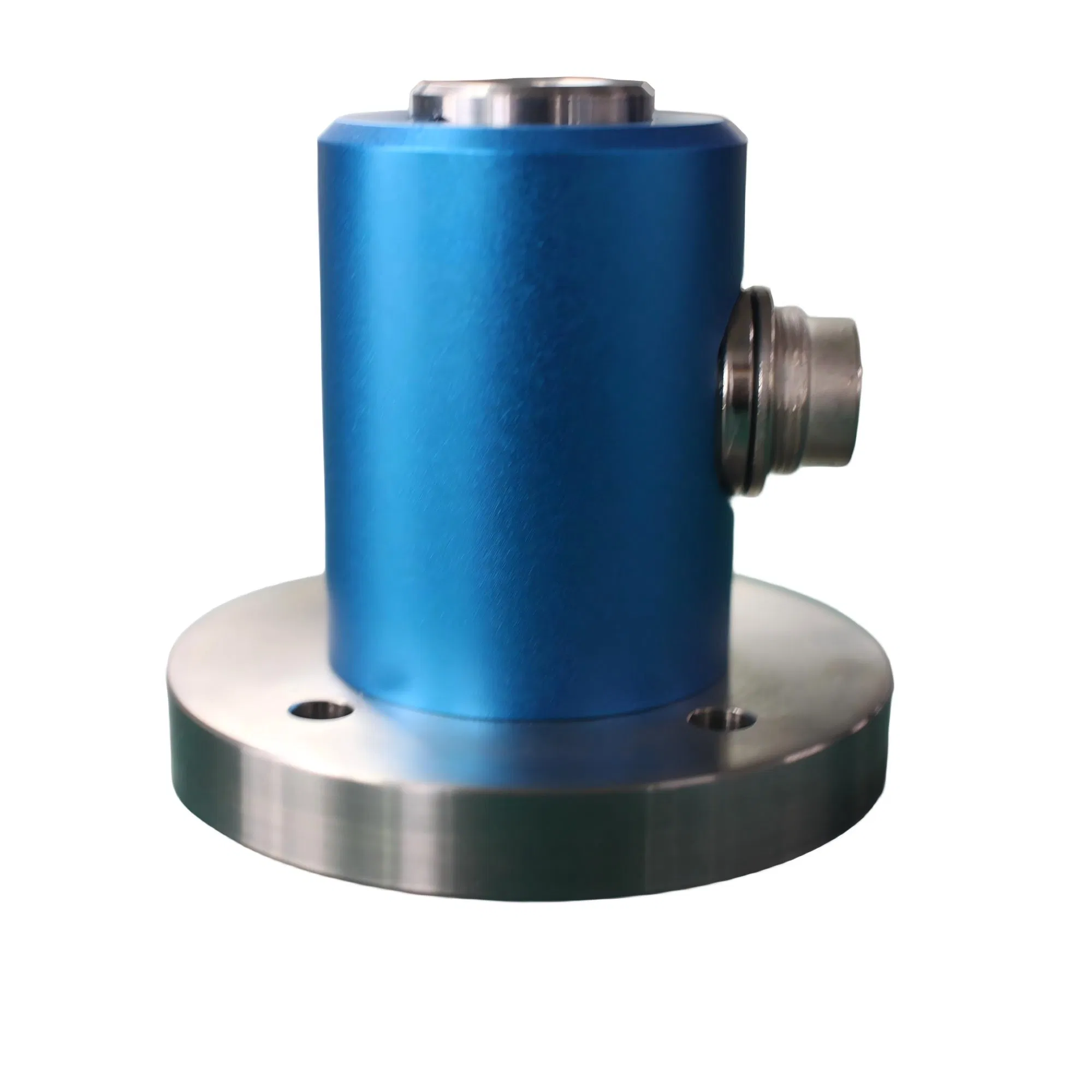
Reactive Torque Sensors Overview
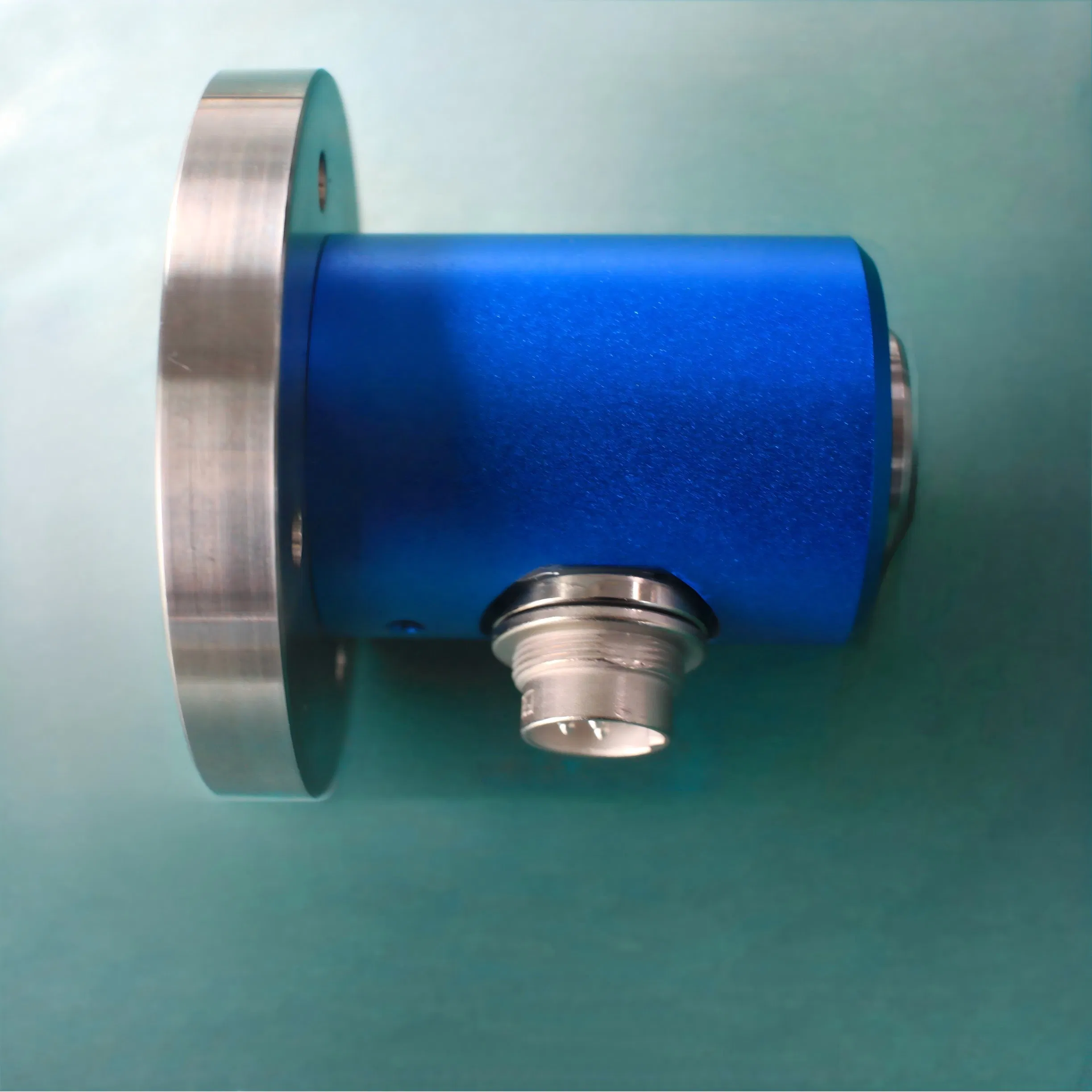
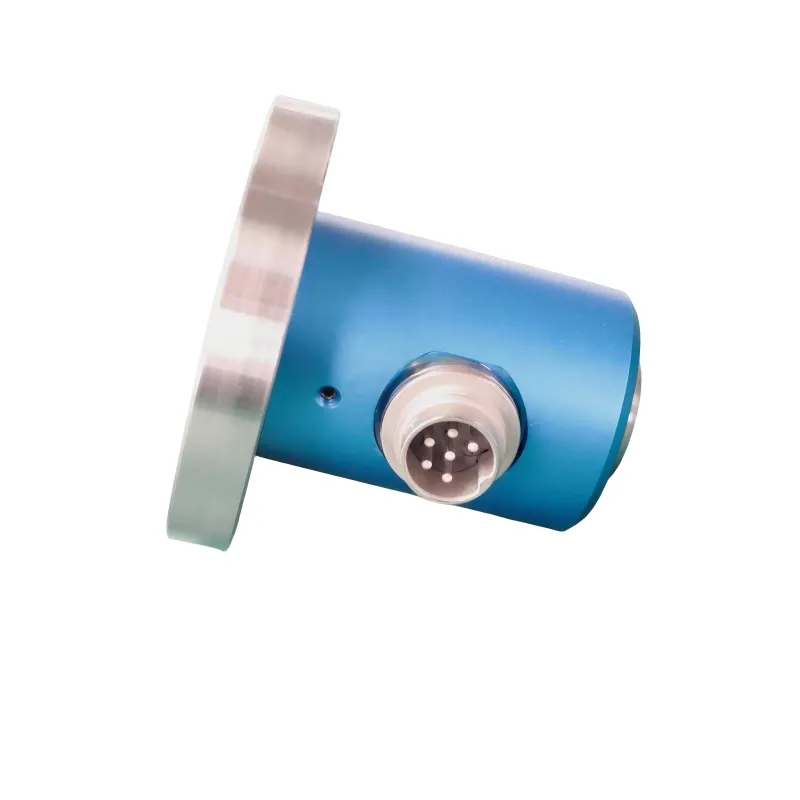
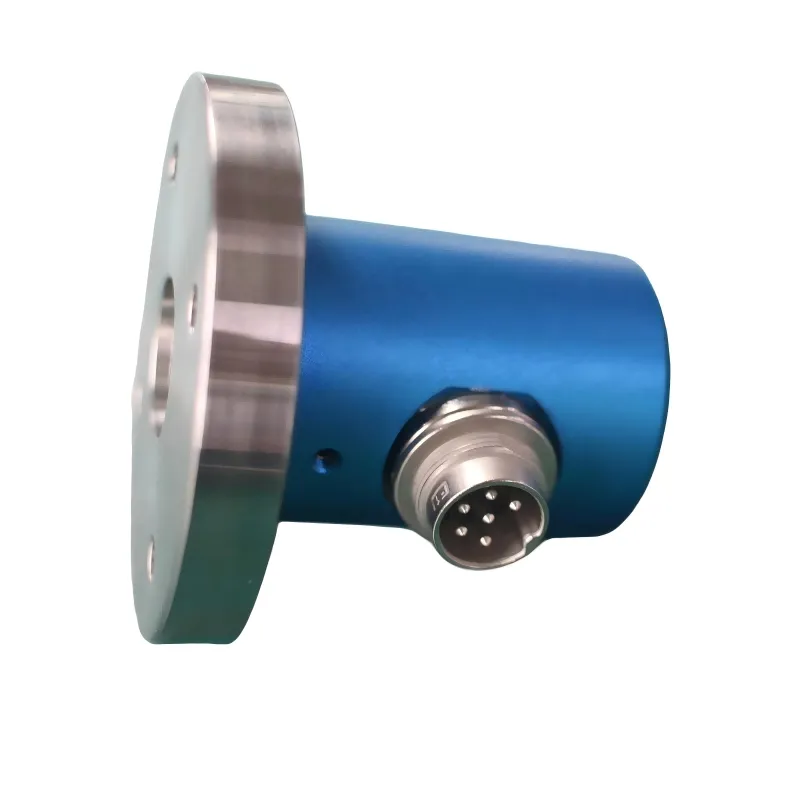
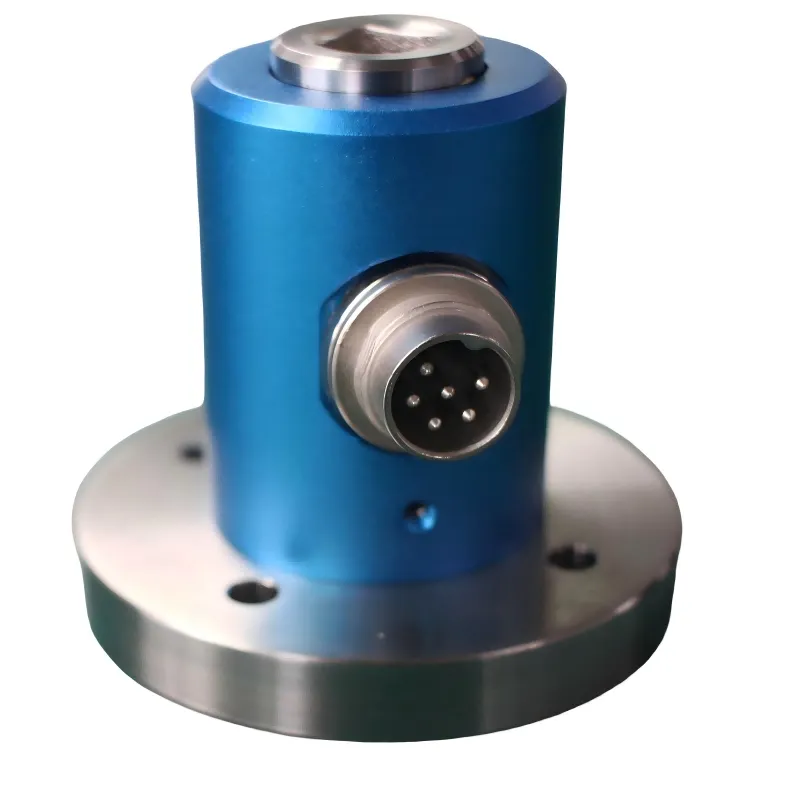
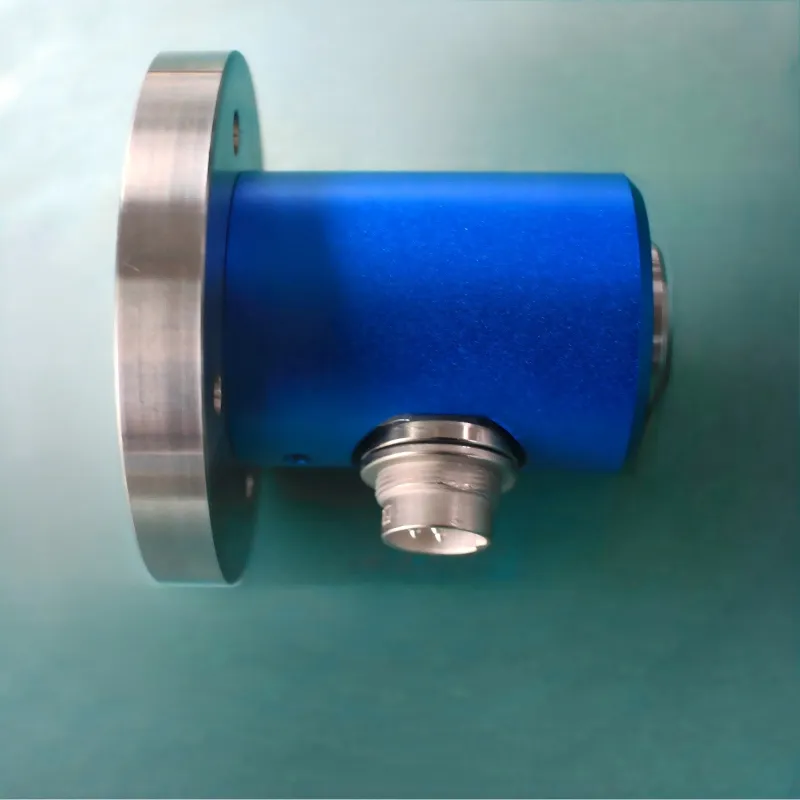
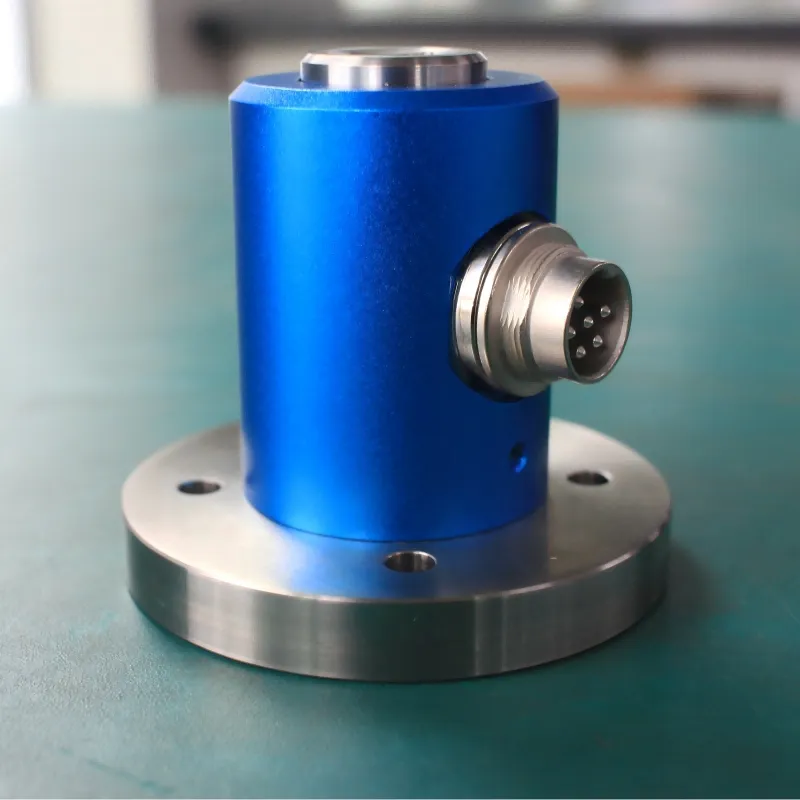
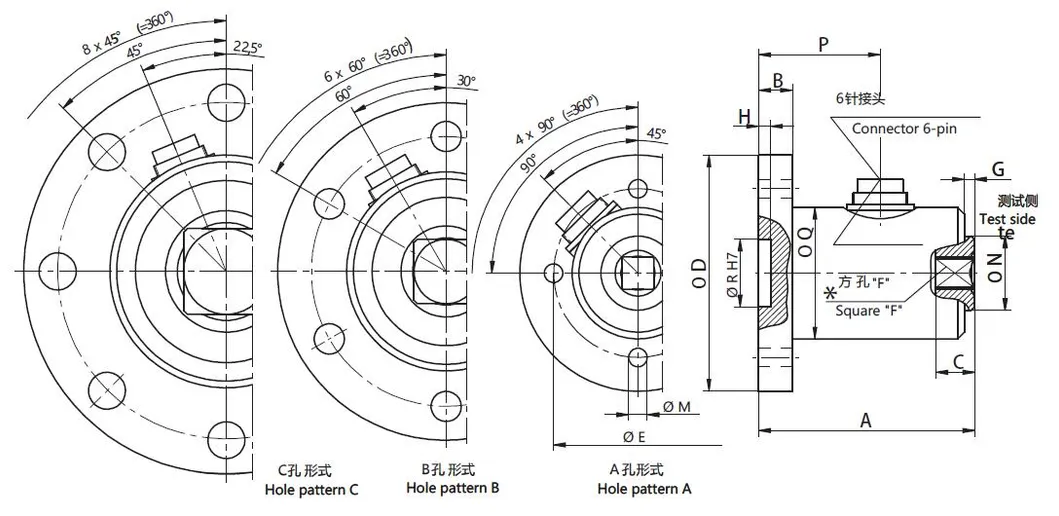
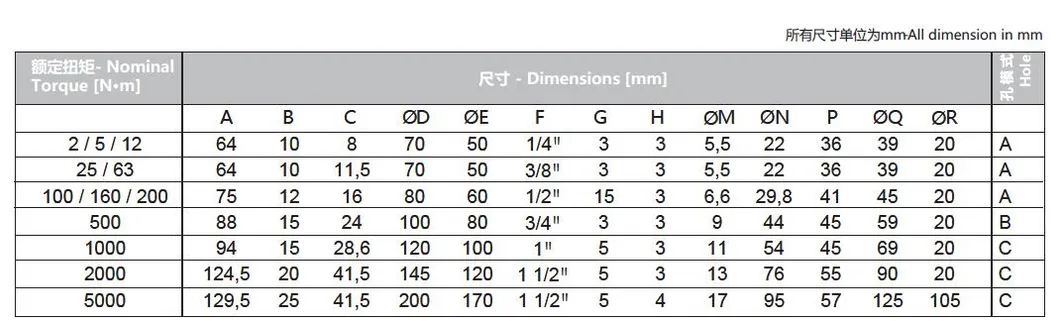
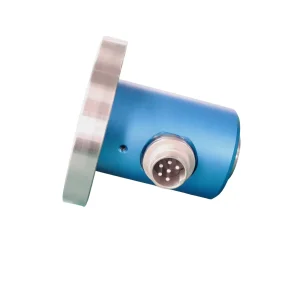
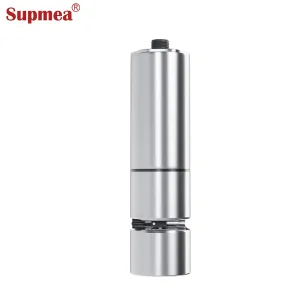
Reactive Torque Sensors are designed for non-rotating, static, or reaction torque measurements. A static measurement involves little or no rotation of the item being tested, making it ideal for applications like torque spanner testing.
Frequently Asked Questions
Q1: What is the main difference between static and rotary torque measurement?
A: Static (reaction) torque measurement involves little to no rotation of the object, while rotary measurement captures torque while the part is continuously spinning.
Q2: Can the NS-NJ12 sensor be used in corrosive environments?
A: Yes, this model is specifically designed to be corrosion-resistant and is manufactured from high-quality stainless steel.
Q3: Is the sensor compatible with standard assembly tools?
A: Yes, it features a standard inside square end and a flange, making it easy to integrate with most assembly tool survey setups.
Q4: Does this product come with any quality certifications?
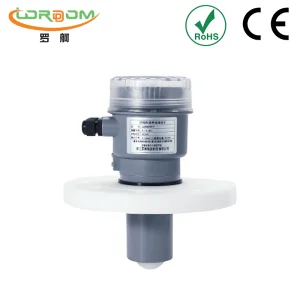
A: The sensor is fully compliant with CE and RoHS standards, ensuring it meets international safety and environmental requirements.
Q5: Can I request a customized version of this torque sensor?
A: Absolutely. Special versions and customizations are possible on request to meet specific engineering or spatial requirements.
Q6: What is the IP rating for this sensor?
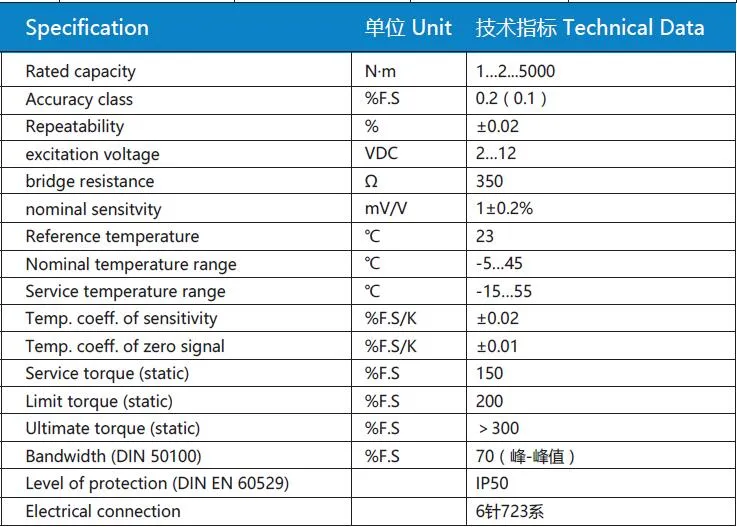
A: The NS-NJ12 has an IP50 rating, providing protection against dust ingress suitable for indoor industrial environments.
 Eeptron PLC