?
Frequently Asked Questions
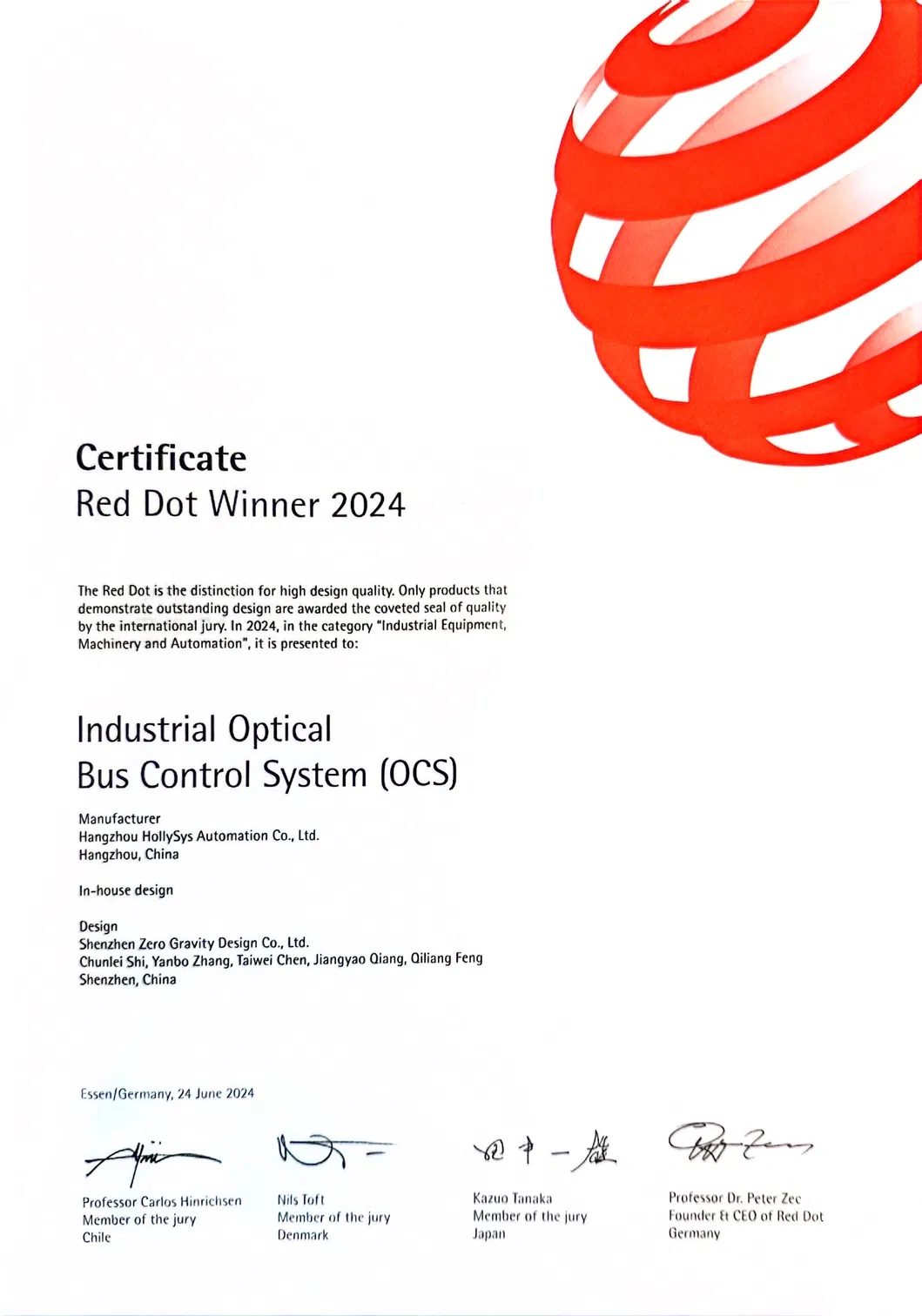
1. What is the main advantage of the Industrial Optical Bus Control System?
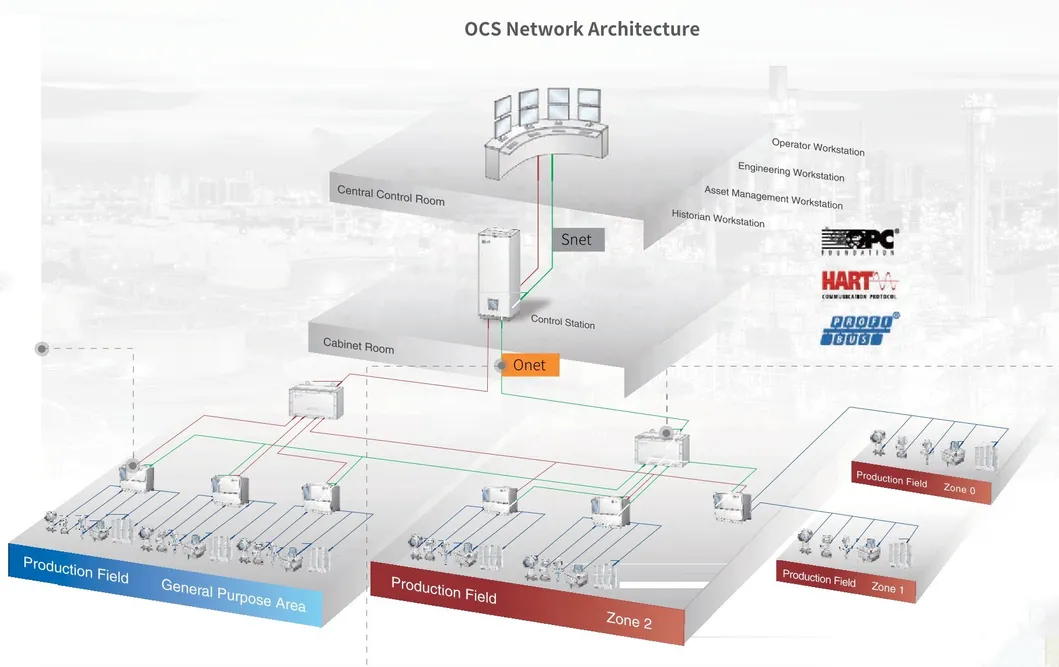
The system significantly reduces cabling by using redundant optical fibers to handle hundreds of instrument signals, offering anti-electromagnetic interference and high-speed real-time communication.
2. Is the RJU unit safe for use in hazardous industrial areas?
Yes, the RJU adopts physical optical splitting technology, requires no power supply, and meets explosion-proof standards, making it suitable for Zone 2 hazardous areas.
3. How many instrument signals can the Onet system handle?
A single pair of redundant optical fibers in the Onet system can handle up to 512 instrument signals, replacing the traditional requirement of two copper wires per instrument.
4. What are the miniaturization features of the iDTU?
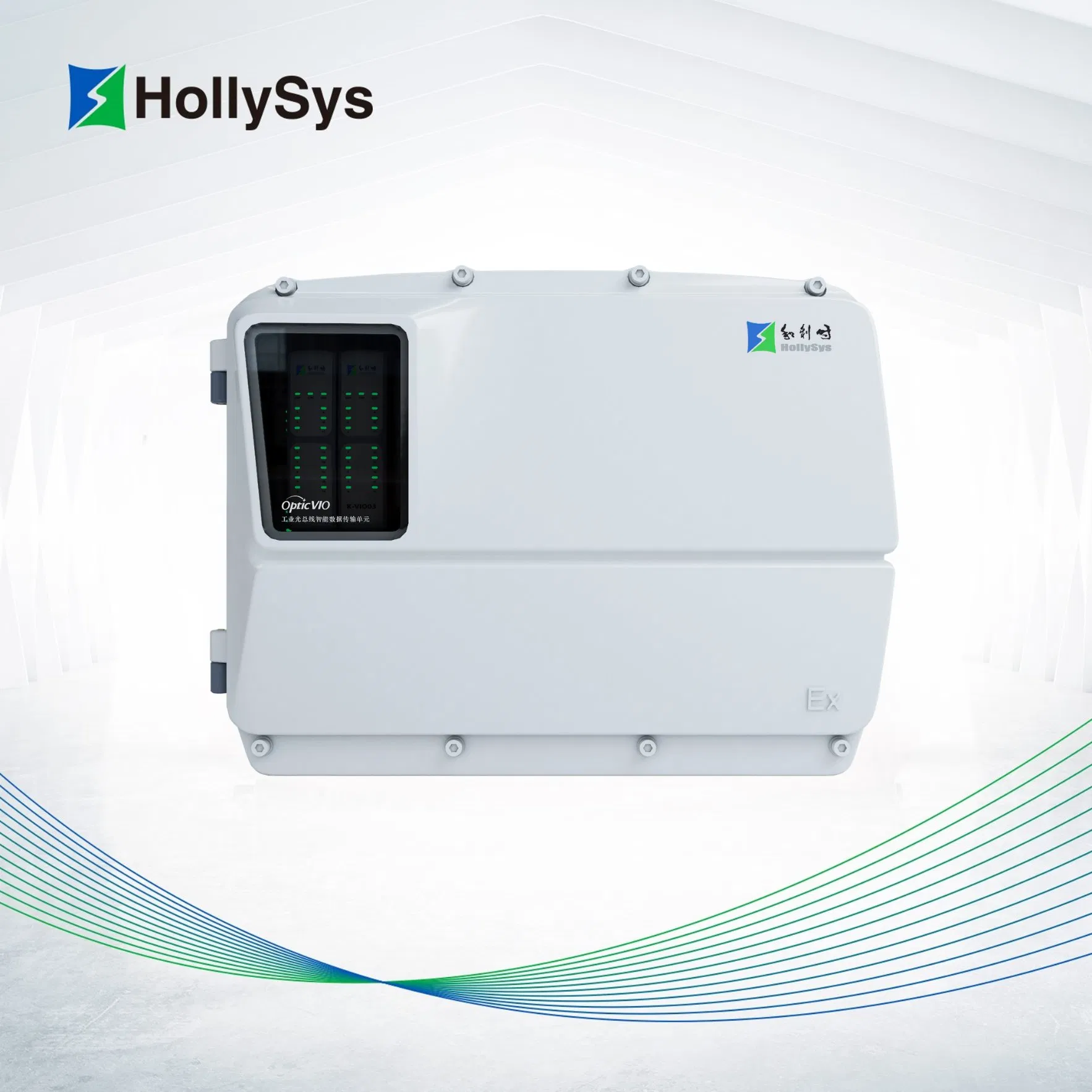
The iDTU is designed to be extremely compact, roughly the size of two A4 papers, and integrates multiple control functions to replace traditional bulky junction boxes.
5. Does the system support redundant network topologies?
Yes, the system utilizes a redundant star network topology to ensure high reliability, distributed fault management, and flexible expansion capabilities.
6. What international standards does the Onet bus conform to?
The Onet industrial optical bus conforms to international standard IEC61158, national standard JB/T 10308.3-2001, and European standard EN50170.
 Eeptron PLC