Eeptron PLC
1. Geneva's High-Stakes Industrial Safety Landscape
In the heart of Western Europe, Geneva acts as a critical nexus for research, high-value chemical processing, precision engineering, and municipal power distribution. Unlike typical heavy-industry corridors, the industrial ecosystem around Geneva, including the neighboring Vaud and the broader French-Swiss border area, is characterized by its strict adherence to ecological conservation and municipal hazard mitigation.
Under the Swiss Federal Major Accidents Ordinance (OPAM / Störfallverordnung) and European CE directives, process facilities operating near urban centers or water bodies like Lake Geneva must implement risk mitigation plans that leave zero margin for error. This regulatory pressure demands the integration of highly reliable Safety Instrumented Systems (SIS). Whether deployed in wastewater treatment plants, cryogenic environments at scientific institutes, or regional gas distribution grids, SIS architectures act as the ultimate line of defense. They execute automated shutdowns, isolation procedures, and mitigation tasks (such as venting or gas alarms) before a hazard escalates to catastrophic levels.
Focus on Geneva OPAM Directives
Swiss federal guidelines strictly enforce functional safety compliance. Every process loops' Probability of Failure on Demand (PFDavg) must be precisely calculated, validated, and documented. Operators in Switzerland are transitioning towards continuous verification models, replacing traditional periodic testing with online, non-disruptive testing capabilities.
2. The Functional Safety Framework: IEC 61508 & IEC 61511 compliance
Every modern Safety Instrumented System serving the Geneva market must meet the strict design criteria laid out in IEC 61508 (for manufacturers of safety-related electronic/programmable systems) and IEC 61511 (for system designers and operators in the process sector).
An operational SIS comprises three distinct layers working in harmony:
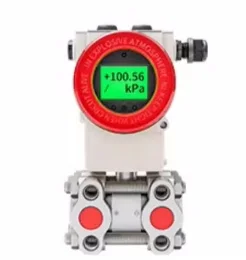
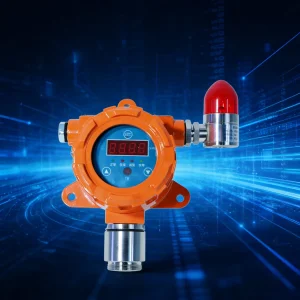
- Sensors: Precision measuring instruments (such as SIL-rated temperature, pressure transmitters, or gas detectors) that continuously monitor process conditions.
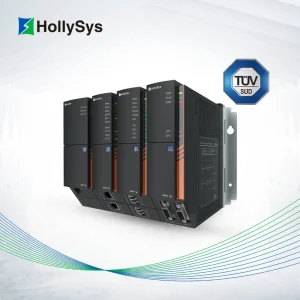
- Logic Solvers: Safety PLCs (such as Honeywell FSC, Triconex, or Hollysys SIL2/3 platforms) that evaluate incoming sensor data against predefined hazard criteria and decide on necessary safety actions.
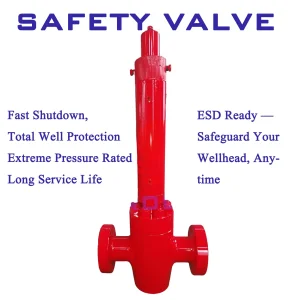
- Final Control Elements: Actuated safety valves, isolation dampers, or motor starters that execute the actual physical shutdown.
To achieve SIL2 or SIL3 status, hardware fault tolerance (HFT) and safe failure fractions (SFF) must align with the target safety specifications. The integration of high-reliability logic solvers like the Honeywell Fail Safe Control (FSC) system ensures that common-cause failures (CCF) are minimized through triple-modular redundancy (TMR) or dual-redundant architectures.
| Safety Integrity Level (SIL) | Target Average Probability of Failure on Demand (Low Demand) | Risk Reduction Factor (RRF) |
|---|---|---|
| SIL 1 | ≥ 10-2 to < 10-1 | 10 to 100 |
| SIL 2 | ≥ 10-3 to < 10-2 | 100 to 1,000 |
| SIL 3 | ≥ 10-4 to < 10-3 | 1,000 to 10,000 |
| SIL 4 | ≥ 10-5 to < 10-4 | 10,000 to 100,000 |
3. Shenzhen Eeptron's Sourcing Strategy & Supply Chain Resilience
Global manufacturing industries regularly face long component lead times, and the functional safety sector is no exception. In Geneva's high-tech landscape, unexpected downtime due to safety card failure can cost operators tens of thousands of Swiss Francs per hour. This is where Shenzhen Eeptron PLC Co., Ltd. serves as a reliable global supply chain partner.
Shenzhen Eeptron PLC Co., Ltd. was established with the mission of providing high-quality industrial automation replacement parts to customers worldwide. From the beginning, the company has been committed to delivering above-standard products and reliable services at competitive and fair prices. To ensure customer confidence, all products are backed by a 24-month warranty. Supported by an experienced and professional team, Eeptron consistently delivers dependable solutions that meet the demands of modern industry.
The company serves clients across Europe, the United States, the Middle East, and many other regions, offering flexible and fast shipping options, including next-day air delivery for urgent requirements. This efficient logistics network enables customers to minimize downtime and maintain smooth operations.
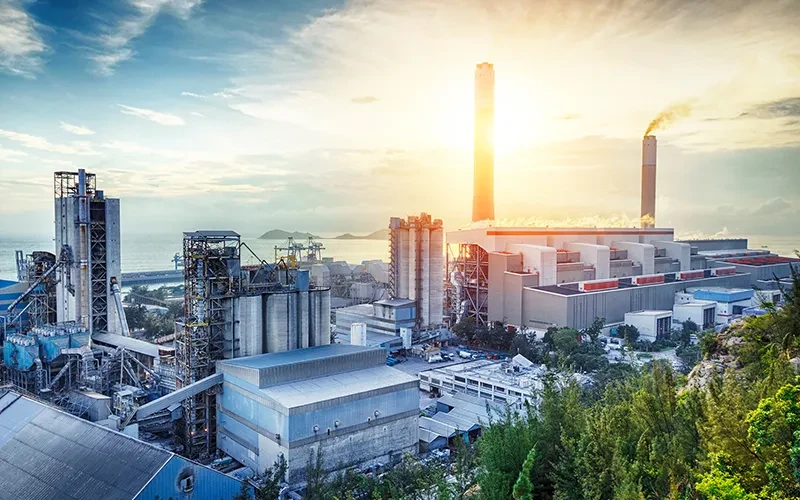
Eeptron specializes in supplying a wide range of industrial automation equipment, with a particular focus on hard-to-find, discontinued, and obsolete parts. By maintaining strong sourcing capabilities and strict quality control standards, the company ensures that every component meets performance expectations.

Eeptron is dedicated to creating a seamless and hassle-free purchasing experience. Through continuous improvement, customer-centric service, and robust technical testing processes, we help plant maintenance managers in Geneva bridge the gap between ageing legacy installations and newer generations of control hardware.
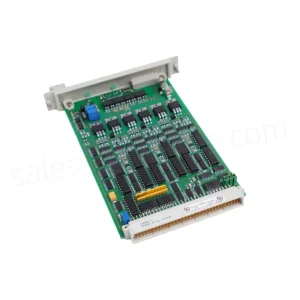
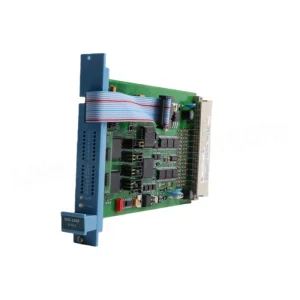
Whether sourcing obsolete Honeywell FSC modules, legacy Foxboro elements, or discontinued safety transmitters, Geneva engineers can rely on Eeptron's tested stock to maintain system integrity without having to perform costly, unbudgeted full-system overhauls.
4. Localized Application Scenarios in Geneva
In Geneva and its adjacent municipalities, several key sectors utilize specialized SIS architectures:
- Municipal Wastewater Treatment & Water Networks: Using SIL2 Safety Loops and fixed gas detectors to monitor toxic levels of Hydrogen Sulfide (H2S) and methane in enclosed pumping stations and anaerobic digestors.
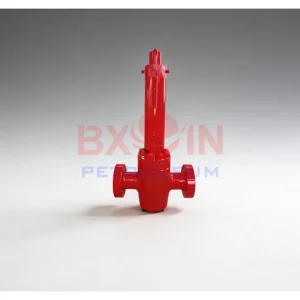
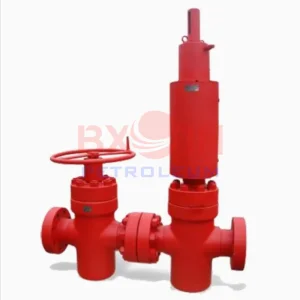
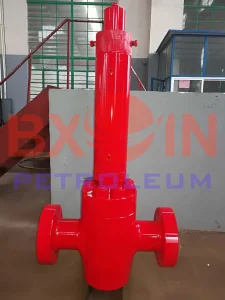
- District Heating and Gas Infrastructure: High-pressure gas grids require emergency shut-off valves compliant with API 6A and pneumatic control loops configured for fail-close action in case of pressure fluctuations.
- Scientific Research Installations: High-energy physics labs and cleanrooms rely on custom-configured logic solvers to handle ultra-high vacuum controls, cryogenic gas isolation, and radiation door interlocks.
- Pharma and Biotechnology plants: Batch chemical reactions that operate at high pressures and temperatures rely on certified temperature transmitters and safety PLC configurations to prevent runaway exothermic reactions.
5. Technical Roadmap: The Convergence of SIS and Industrial IoT
The future of functional safety is transforming. Traditionally, Safety Instrumented Systems were strictly isolated ("air-gapped") from the corporate Network to prevent cyber intrusion and guarantee deterministic response times. Today, modern architectures in Geneva and the broader Swiss tech zone are adopting secure data diodes and industrial communications protocols like OPC UA over TSN to stream diagnostic data out of the safety layer without compromising the safety function itself.
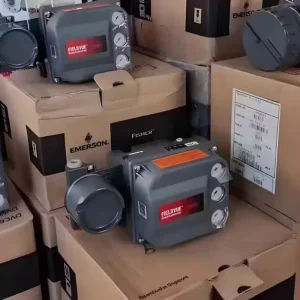
This hybrid approach allows process managers to run predictive maintenance algorithms on final control elements (such as evaluating the travel time and valve signature of an ESD valve using advanced positioners like the Fisher DVC6200) without interfering with the logic solver's trip parameters.