The first four original product links are retained for direct sourcing. Titles remain unchanged for traceability, while the surrounding guidance is localized for Novosibirsk SIS, ESD, and fire-and-gas projects.
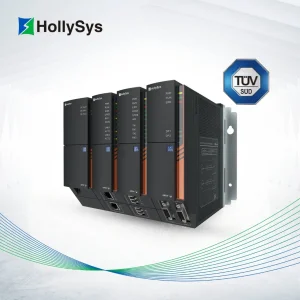
Novosibirsk project supply • SIL2 logic review • traceable sourcing.
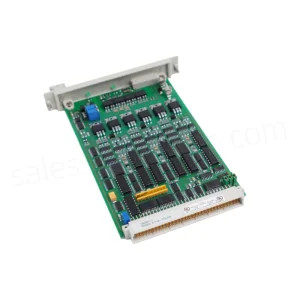
Obsolescence support • emergency spare strategy • export packaging.
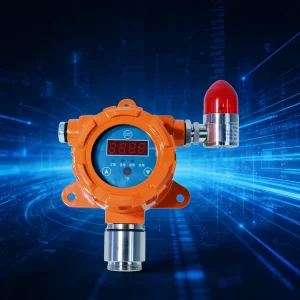
Hazardous-area detection • proof-test planning • calibration records.
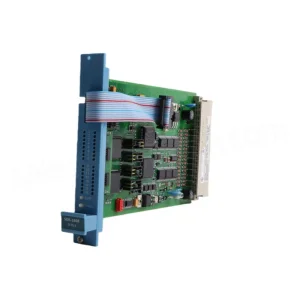
Brownfield retrofit • function test evidence • lifecycle documentation.
Novosibirsk is not simply a remote Siberian city; it is a science, rail, energy, and process-industry hub whose safety systems must perform under long asset lifecycles, extreme climate, and complex logistics.
Novosibirsk is the administrative center of Novosibirsk Oblast and the largest city in Siberia. Its economy combines power generation and district heating, chemical and petrochemical production, gas processing and distribution, machinery and instrumentation manufacturing, food and pharmaceutical operations, metallurgy and mining services, tank farms, and utilities. The Akademgorodok research cluster adds a deep pool of engineering, physics, and software talent. For functional safety, this combination creates both demand and opportunity: existing plants need safer shutdown systems, while new projects need internationally traceable components and documentation.
Yet the SIS challenge in Novosibirsk is not solved by buying a certified device alone. Safety instrumented systems are defined by the entire safety instrumented function: sensor, logic solver, final element, power supply, wiring, proof-test procedure, and management of change. A SIL 2 transmitter can only contribute to a SIL 2 function when the loop is designed, installed, tested, and maintained as a safety function. That is why the term “SIS factory” matters. A credible SIS factory must combine certified product access with engineering discipline, traceability, environmental testing, documentation, obsolescence management, and local support.
Global procurement teams serving Novosibirsk also face a practical reality: many plant control systems remain in service well beyond their original design life. Discontinued controllers, obsolete I/O modules, legacy field devices, and uncommon valve packages can create hidden single points of failure. A safe modernization strategy therefore blends replacement, retrofit, and verified spare-parts continuity. The objective is not to replace everything at once; it is to reduce risk in a controlled sequence while keeping production available.
The local business case for SIS is shaped by the city’s role as a transport, energy, and scientific center rather than by a single industry.
Novosibirsk sits at the intersection of major rail, road, and air routes, including the Trans-Siberian corridor and Tolmachevo airport. That logistics position supports a broad industrial base and makes the city a natural warehouse and service point for equipment moving into Siberia and neighboring regions. At the same time, the region’s extreme continental climate and long winters put a premium on reliable heat, power, gas, and utility systems. False trips can interrupt essential services; missed trips can create unsafe conditions. This is precisely the environment where safety instrumented systems need disciplined proof testing, robust field devices, and a credible spare-parts strategy.
In practical terms, Novosibirsk’s SIS demand appears in boiler protection and burner management, district-heating pressure and temperature safeguards, gas detection and fire-and-gas systems, emergency shutdown of fuel gas trains, compressor anti-surge protection, tank-farm overfill prevention, reactor overpressure protection, wellhead and manifold ESD, and pipeline pressure protection. Operators also need SIL-rated transmitters, flow measurement for safety-related utilities, ESD valves, valve positioners, and controller modules that can be maintained without redesigning the entire architecture.
The functional safety gap is rarely a single missing certificate. It is more often a combination of aging equipment, incomplete proof-test records, unclear change management, limited local calibration capacity, and cybersecurity exposure in legacy networks. A Novosibirsk operator may choose to retain a validated existing SIS, replace obsolete components gradually, or introduce a new safety lifecycle program. In each case, the engineering decision should be based on a documented risk assessment and a clear understanding of the required SIL target.
Burner management, boiler protection, fuel-gas pressure safeguards, flame detection, and emergency shutdown for critical heat and power assets.
Overpressure protection, gas detection, compressor anti-surge, ESD valves, and safety-rated measurement for hazardous process units.
API 6A safety valves, production manifold integration, wellhead ESD compatibility, and pneumatic actuation for remote production assets.
Reactor protection, tank-farm monitoring, toxic gas detection, interlock modernization, and SIL-rated instruments for reactive processes.
Critical machine protection, furnace safeguards, dust and gas monitoring, and reliable shutdown systems for heavy industrial environments.
Overfill prevention, high-high level interlocks, pressure relief monitoring, flow measurement, and ESD integration for terminals and utilities.
A modern SIS factory is not only a warehouse. It is a capability network that connects certified components, engineering evidence, environmental resilience, and rapid response.
Every safety-related component should have a traceable source, clear model identification, and documentation that supports SIL verification. Buyers need to know what the part is, where it came from, and how it will perform in the intended safety function.
SIS factories should help project teams review sensor-to-final-element compatibility, redundancy, proof-test intervals, failure modes, and systematic capability. Product supply without safety lifecycle context can create false confidence.
Novosibirsk assets face cold winters, temperature cycling, vibration, and electromagnetic interference. Equipment selection should consider enclosure ratings, hazardous-area classification, EMC requirements, and installation practice.
Factory acceptance testing, calibration records, functional checks, and site acceptance support reduce commissioning risk. Documentary evidence is especially important when replacing legacy modules in brownfield systems.
A practical SIS factory maintains access to hard-to-find, discontinued, and obsolete automation parts. The aim is to keep critical safety functions available while a longer-term modernization plan is engineered.
Export packaging, commercial documents, certificates, manuals, and responsive communication are part of safety supply. A late or undocumented part can be as disruptive as a failed component.
The four components below extend the SIS architecture from measurement to final action. They are not accessories; they are part of safety instrumented function performance.
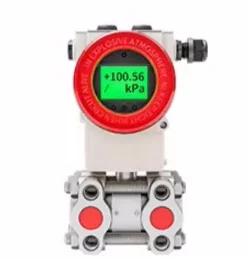
Pressure and process measurement • SIL loop support • calibration evidence.
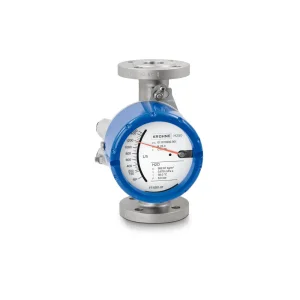
Utility and process flow • robust metal construction • project documentation.
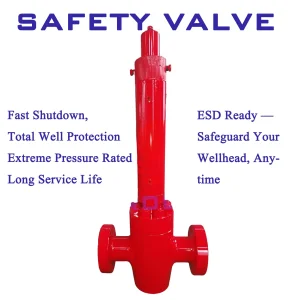
Emergency isolation • wellhead and manifold service • actuator integration.
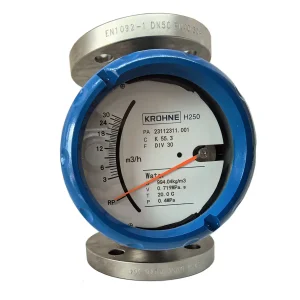
Explosion-protection review • process measurement • EAC documentation support.
Buyers searching for SIS factories and factory in Novosibirsk are usually trying to close a specific risk: an obsolete logic solver, a missing gas detector, a SIL-rated transmitter, or an ESD valve that must match an existing interface.
Procurement teams from Europe, the United States, the Middle East, and other regions evaluate SIS suppliers with a broader matrix than unit price. They need traceability, responsive technical communication, export-ready packaging, and confidence that the part will perform in a safety function. For Novosibirsk projects, the equation also includes logistics distance, seasonal constraints, and the need for documentation that supports local acceptance.
The strongest suppliers reduce uncertainty before the purchase order is issued. They clarify model variants, confirm compatibility, document test status, and explain warranty terms. They also understand that a discontinued part may be a bridge solution rather than a permanent strategy. The best procurement outcome is a controlled modernization path, not an emergency purchase repeated every shutdown.
Model labels, certificates, calibration notes, and source records that support audit and maintenance planning.
Access to hard-to-find modules and field devices that keep existing safety functions available during phased upgrades.
Flexible shipping options, including next-day air where available, to reduce downtime during urgent maintenance events.
Warranty, reliability, proof-test effort, and spare-parts strategy considered together rather than judged by purchase price alone.
SIS architecture should follow the risk profile of the plant, not a generic catalogue. These solution patterns are commonly relevant to Novosibirsk’s industrial base.
Combine SIL-rated gas detection, pressure transmitters, ESD valves, and logic solvers into layered protection for process units, loading areas, and tank farms. Proof-test procedures should be written before commissioning.
Protect boilers, fuel trains, turbines, and heat exchangers with reliable interlocks, flame detection, pressure safeguards, and emergency shutdown. Winter reliability makes spare-parts continuity a safety issue.
Use risk-based SIL targets for reactors, separators, storage, and utilities. Toxic and flammable gas detection should be integrated with shutdown logic and documented response procedures.
API 6A safety valves, pneumatic actuation, wellhead ESD compatibility, and manifold integration support safe isolation. Material and interface verification is essential for retrofit projects.
High-high level interlocks, overfill prevention, flow measurement, pressure monitoring, and ESD valves reduce loss of containment risk. Terminal expansions should include management-of-change reviews.
Safety-related utility monitoring can include combustion safeguards, toxic gas detection, wastewater protection, and critical pressure control. Instruments must be maintainable in real site conditions.
Compliance is a process, not a sticker. Suppliers should help build the evidence chain while qualified local engineers and authorities confirm final acceptance.
In the Eurasian Economic Union context, equipment scope may involve TR CU 010/2011 for machinery, TR CU 004/2011 for low-voltage equipment, TR CU 020/2011 for electromagnetic compatibility, and TR CU 012/2011 for equipment intended for explosive atmospheres. Functional safety is typically framed through IEC 61508 and IEC 61511, while plant-level industrial safety requirements, local rules, and Rostekhnadzor-related documentation influence acceptance. Documentation should be complete, consistent, and traceable through the supply chain.
Localization also means practical support: Russian and English documentation where required, calibration records, hazardous-area review, spare-parts labeling, and clear warranty procedures. For Novosibirsk, support should account for time zones, winter logistics, and the need to resolve technical questions quickly during maintenance windows. A supplier’s value is measured by how well it helps the plant close the loop between component, safety function, and documented proof.
Final compliance determination should always be made by qualified local engineers and authorized bodies based on the actual installation, intended use, and current regulations.
Support for certificates, declarations, manuals, and technical files needed by procurement and plant acceptance teams.
Component data and engineering guidance to help verify SIL capability, failure modes, redundancy, and proof-test intervals.
Hazardous-area considerations for gas detectors, flowmeters, valves, and field devices in flammable or toxic environments.
Clear product identification, model cross-reference, and technical communication for local engineering and maintenance teams.
Testing and calibration evidence to reduce commissioning uncertainty and support acceptance before handover.
Structured after-sales response for warranty evaluation, replacement planning, and urgent spare-parts requirements.
The original company information is retained below because supplier reliability, warranty, and sourcing capability are part of the safety supply chain.
Shenzhen Eeptron PLC Co., Ltd. was established with the mission of providing high-quality industrial automation replacement parts to customers worldwide. From the beginning, the company has been committed to delivering above-standard products and reliable services at competitive and fair prices. To ensure customer confidence, all products are backed by a 24-month warranty. Supported by an experienced and professional team, Eeptron consistently delivers dependable solutions that meet the demands of modern industry.
The company serves clients across Europe, the United States, the Middle East, and many other regions, offering flexible and fast shipping options, including next-day air delivery for urgent requirements. This efficient logistics network enables customers to minimize downtime and maintain smooth operations.
Shenzhen Eeptron PLC Co., Ltd. specializes in supplying a wide range of industrial automation equipment, with a particular focus on hard-to-find, discontinued, and obsolete parts. By maintaining strong sourcing capabilities and strict quality control standards, the company ensures that every component meets performance expectations.
Eeptron is dedicated to creating a seamless and hassle-free purchasing experience. Through continuous improvement, customer-centric service, and responsive technical support.
For Novosibirsk SIS projects, this sourcing model supports the practical needs of brownfield operators: rapid response, clear product identification, warranty coverage, and access to legacy automation parts that may no longer be available through standard channels.


The future of SIS is not less deterministic; it is more data-rich, more connected, and more dependent on lifecycle discipline.
Build an asset register, map safety instrumented functions, review SIL targets, and identify documentation gaps. This is the foundation for any modernization budget.
Replace obsolete components with traceable parts, define proof-test procedures, and align maintenance intervals with risk and operational constraints.
Use HART, Foundation Fieldbus, and intelligent field devices to improve diagnostics and partial-stroke testing without compromising safety function independence.
Apply OT cybersecurity controls, change management, and digital safety records. AI-assisted anomaly detection should support engineers, not replace safety decisions.
Looking ahead, Novosibirsk’s combination of scientific talent and heavy industry creates a strong base for modern safety lifecycle practices. Growth areas include SIL 3 logic solvers, smart transmitters with advanced diagnostics, partial-stroke testing for ESD valves, wireless monitoring for difficult locations, and modular safety skids for remote assets. These technologies can reduce proof-test effort and improve availability, but only when cybersecurity, data integrity, and management of change are treated as part of functional safety.
For global buyers, the most reliable future strategy is to combine product access with engineering evidence. A supplier that can support the safety lifecycle—from identification and compatibility review to documentation, testing, and warranty—will create more value than a transactional parts channel. That is the difference between buying a component and sustaining a safety function in Novosibirsk’s demanding industrial environment.
Practical answers for procurement, engineering, and maintenance teams evaluating safety instrumented systems and industrial automation supply.
It describes a supply and engineering capability that supports safety instrumented systems for Novosibirsk operators. The focus is not merely manufacturing, but access to certified components, traceable sourcing, documentation, testing, obsolescence management, and rapid logistics for safety-critical assets.
The product range includes SIL 2 and SIL 3 certified components, including transmitters, gas detectors, logic system elements, and field devices. Final SIL capability must always be verified at the safety instrumented function level because the loop architecture, proof-test interval, and systematic capability all affect the result.
Yes. The sourcing model focuses on hard-to-find, discontinued, and obsolete industrial automation parts. For safety applications, buyers should provide exact model numbers, firmware or hardware revisions, and any existing documentation so compatibility and traceability can be reviewed before order confirmation.
Supply can include commercial documents, product identification, manuals where available, and technical support for compliance review. Final EAC, TR CU, explosion-protection, and industrial safety acceptance must be confirmed by qualified local engineers and authorized bodies based on the actual installation and current rules.
Products are backed by a 24-month warranty. Depending on the item and project requirement, testing, calibration verification, and documentation can be coordinated. Safety-critical purchases should specify the required evidence before shipment, including model verification and any functional test records available.
Yes. The portfolio includes ESD valves, API 6A safety valves, gas detectors, pressure transmitters, flowmeters, valve positioners, and controller modules. Integration should be reviewed as a safety function, with clear cause-and-effect logic, proof-test procedures, and management of change.
Lead time depends on stock availability, model, documentation requirements, and shipping method. The company offers flexible and fast shipping options, including next-day air delivery for urgent requirements where available. Buyers should share the required on-site date, destination details, and documentation needs with the inquiry.
Proof testing should consider winter access, instrument heating or enclosure protection, valve stroke capability, calibration stability, and safe bypass procedures. Test procedures should be written before the shutdown window, and results should be recorded in the safety lifecycle file. For SIL verification, environmental effects and actual proof-test effectiveness must be included in the analysis.
Share your model numbers, safety function requirements, required documentation, and delivery schedule. The team will review product availability, traceability, warranty, and logistics support for your Novosibirsk SIS, ESD, F&G, and industrial automation requirements.
Send Inquiry NowThese eight original product links complete the Novosibirsk-ready portfolio, covering wellhead safety valves, manifold ESD, valve positioners, pressure transmitters, flowmeters, and Honeywell PLC modules.
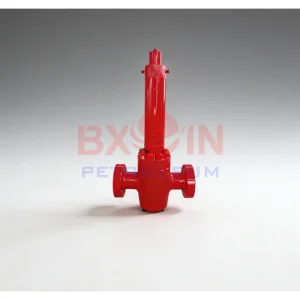
Wellhead isolation • actuator integration • oilfield service support.
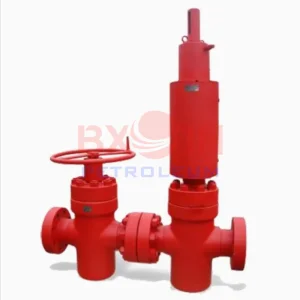
Surface production • emergency isolation • project documentation.
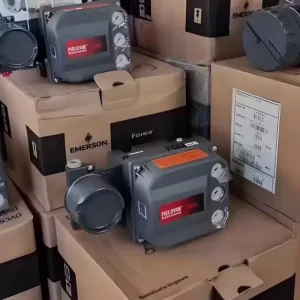
Valve diagnostics • fieldbus integration • replacement planning.
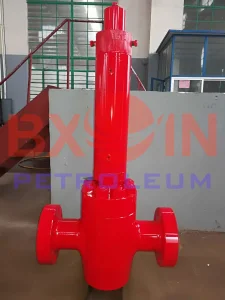
Rugged service • oilfield environments • interface verification.
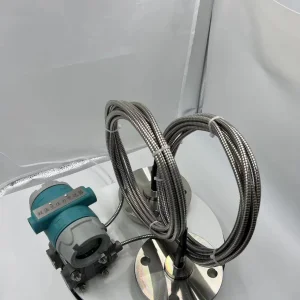
Remote pressure measurement • process connection review • calibration.
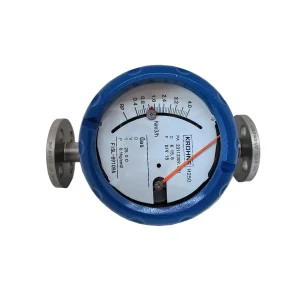
Water, oil, and gas service • size range • process compatibility.
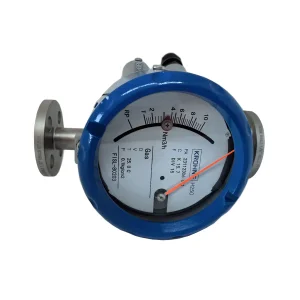
Machinery flow measurement • robust metal design • spare-part support.
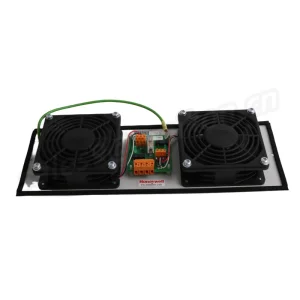
Legacy PLC support • fan unit with readback • urgent spare availability.
 Eeptron PLC