How to Understand Real Time Monitoring in Industrial Environments?

Time:2026-07-19 Author:Madeline
0%

Real-time monitoring in industrial environments is a crucial aspect of modern manufacturing. It enables businesses to track processes and improve efficiency. But what is real-time monitoring in industrial environments? It refers to the continuous collection and analysis of data from machinery and production lines. This practice helps in immediate decision-making.

Industries rely heavily on this technology. Sensors gather data on various parameters like temperature, pressure, and machine performance. This data is analyzed instantly, allowing for prompt responses to issues. For example, a sudden increase in temperature may indicate a malfunction. Immediate alerts can prevent costly downtimes.

However, implementing real-time monitoring comes with challenges. Data overload can occur, leading to confusion rather than clarity. Not all companies have the expertise to interpret the data effectively. Thus, while the technology is powerful, its effectiveness depends on skilled personnel and clear protocols. Continual evaluation of the monitoring process is essential to maximize its benefits.
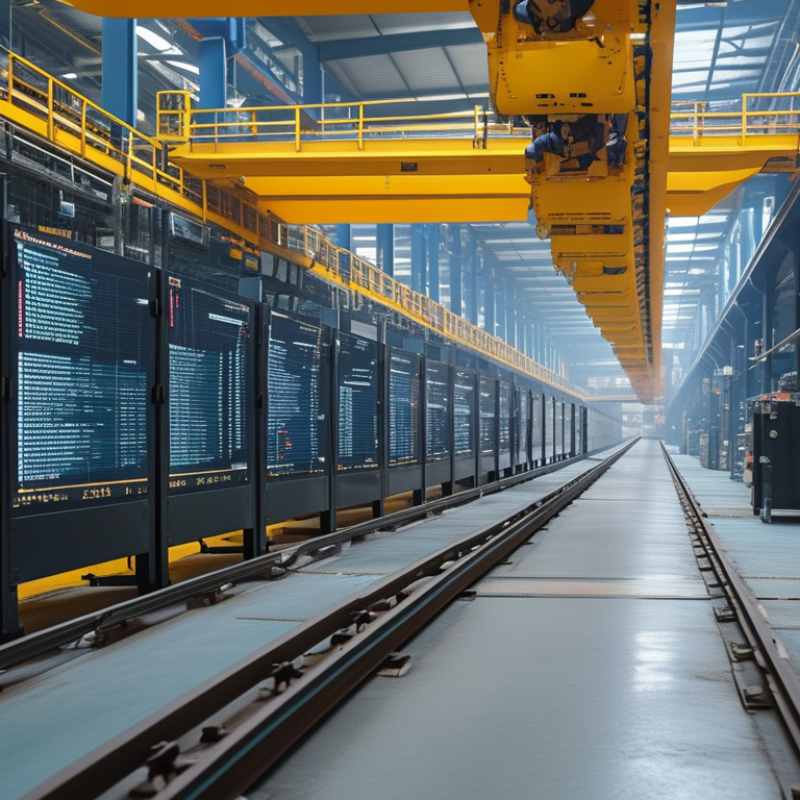
How to Understand Real Time Monitoring in Industrial Environments?

Understanding Real Time Monitoring: Definition and Importance in Industry

Real-time monitoring is essential in modern industrial environments. It involves the continuous tracking of processes and equipment. This approach allows companies to identify issues before they escalate. For instance, temperature sensors in machinery can trigger alerts when overheating occurs. Such rapid responses can prevent costly downtimes.

Understanding real-time monitoring goes beyond technical components. It emphasizes the significance of data accuracy and reliability. Operators depend on this information to make informed decisions. Regular training and system evaluations are crucial. Yet, some organizations neglect these aspects, leading to potential pitfalls. Improper data handling can undermine the entire monitoring process.

The integration of real-time monitoring enhances operational efficiency. It fosters better resource management and increased productivity. Despite its advantages, the implementation is not without challenges. Workers may resist adopting new technologies or struggle with data overload. Addressing these human factors is vital for success in real-time monitoring initiatives.

Key Technologies Enabling Real Time Monitoring in Industrial Settings

Real-time monitoring is revolutionizing industrial environments. Key technologies shaping this trend include the Internet of Things (IoT), advanced data analytics, and artificial intelligence. According to a report by Gartner, IoT devices in manufacturing alone are expected to reach 75 billion by 2025. This rapid increase is driving the need for robust real-time monitoring solutions.

IoT sensors collect data from machines and processes. They provide insights into performance and potential failures. However, accurately analyzing this data requires advanced algorithms. A study from McKinsey indicates that improved data analytics in industrial settings can lead to a productivity increase of 20 to 30 percent. Yet, industries often face challenges in integrating these technologies.

Moreover, the potential for cybersecurity threats cannot be overlooked. As more devices connect to networks, vulnerabilities increase. A report by IBM found that 70% of organizations experience at least one security breach related to IoT devices. Organizations must prioritize cybersecurity alongside real-time monitoring. Addressing these concerns is crucial for protecting sensitive data while leveraging technological advancements.

Data Acquisition and Analysis Techniques in Real Time Monitoring

In industrial environments, data acquisition and analysis play critical roles in real-time monitoring. Companies utilize various techniques to capture data from sensors, machinery, and equipment. Advanced systems can collect thousands of data points every second. According to a recent report by the International Society of Automation, industries that adopt real-time monitoring can increase efficiency by 20% to 30%. This emphasizes the importance of implementing strong data acquisition methods.

For effective analysis, data must be processed quickly. Common techniques include time-series analysis, anomaly detection, and predictive analytics. These methods allow industries to identify patterns and potential issues before they escalate. The same automation report highlighted that one-third of industrial companies are not utilizing real-time analysis effectively. This gap presents both a challenge and an opportunity for improvement. Effective data analysis can significantly enhance decision-making processes. However, many organizations struggle with data integration and visualization.

Real-time monitoring is not without its challenges. Many systems generate vast amounts of data that can overwhelm teams. Data quality and accuracy are often concerns. If data is not reliable, decisions based on it can lead to costly errors. Nevertheless, organizations must strive to refine their approaches to data acquisition and analysis. Emphasizing quality and integrating robust monitoring systems will be key to overcoming these obstacles.

Real Time Monitoring of Industrial Equipment Performance

This bar chart illustrates the performance of different machines in an industrial environment measured in units produced per hour. Real-time monitoring helps in identifying which machines are operating efficiently and which may require maintenance or adjustments.

Impact of Real Time Monitoring on Operational Efficiency and Safety

Real-time monitoring in industrial settings significantly enhances operational efficiency and safety. By continuously collecting and analyzing data, companies can identify issues before they escalate. For example, sensors can detect machinery vibrations, indicating wear and tear. This proactive approach reduces unplanned downtime, which can be costly and disruptive.

Operational efficiency improves as processes become more streamlined. Workers gain access to real-time data, facilitating informed decision-making. They can quickly adjust production schedules based on current conditions, ultimately optimizing resource use. A notable benefit is the improvement in safety protocols. Monitoring systems can trigger alerts for unsafe conditions, allowing immediate intervention.

However, it's important to acknowledge some challenges. Some industries may resist adopting new technologies due to cost or training requirements. Additionally, reliance on data can lead to overconfidence. Teams must balance tech with human judgment. A complete transition to real-time monitoring requires ongoing evaluation and adaptation to ensure true operational improvements.

How to Understand Real Time Monitoring in Industrial Environments? - Impact of Real Time Monitoring on Operational Efficiency and Safety

Metric Value Before Real Time Monitoring Value After Real Time Monitoring Improvement (%)
Operational Downtime (Hours/Month) 20 10 50%
Incident Rate (Incidents/Month) 15 5 66.67%
Production Efficiency (%) 75 90 20%
Energy Consumption (kWh/Month) 5000 4500 10%

Case Studies: Successful Implementation of Real Time Monitoring Solutions

Real-time monitoring solutions have transformed industrial environments, significantly enhancing efficiency and safety. A study by the Industrial Internet Consortium found that implementing real-time monitoring can boost operational efficiency by up to 30%. Companies have utilized this approach, yielding impressive results. For instance, a manufacturing plant reduced downtime by 25% by tracking machine performance in real time. This proactive monitoring allowed them to address issues before they escalated.

Real-time data analytics play a pivotal role in these cases. By analyzing data streams, companies gain actionable insights into their operations. One power plant case study revealed that predictive maintenance through real-time monitoring led to a 40% decrease in maintenance costs. Operators can spot trends and anomalies, making decisions based on accurate, timely data.

Tip: Start small when implementing real-time monitoring. Focus on one area or machine. Gradually scale as you gain confidence and insights. Identify key performance indicators that matter most to your operations.

Not all implementations go smoothly, though. Some organizations faced significant integration challenges. They found that aligning new technologies with existing systems required careful planning and training. Change management is critical, as employees must adapt to new workflows. Engaging teams in training ensures smoother transitions and better adoption rates.

FAQS

: What is real-time monitoring?

: Real-time monitoring involves continuously tracking processes and equipment in industrial environments.

Why is real-time monitoring important?

It helps identify issues before they escalate, preventing costly downtimes.

How does data accuracy affect real-time monitoring?

Accurate data is crucial for informed decision-making. Neglecting this can lead to potential pitfalls.

What challenges do organizations face in implementing real-time monitoring?

Workers may resist new technologies, or teams may struggle with data overload.

What techniques are used in data acquisition for real-time monitoring?

Common techniques include capturing data from sensors and machinery. Advanced systems can collect thousands of data points quickly.

How can data analysis improve real-time monitoring?

Effective data analysis helps identify patterns and potential issues, enhancing decision-making.

What is a common problem with data in monitoring systems?

Many organizations struggle with data quality and integration, which can lead to costly errors.

What role does training play in real-time monitoring?

Regular training and system evaluations are essential for accurate data handling and effective monitoring.

Are there industries not utilizing real-time analysis effectively?

Yes, approximately one-third of industrial companies are not leveraging real-time analysis to its full potential.

How can organizations refine their monitoring approaches?

They must emphasize data quality and integrate robust monitoring systems to overcome obstacles.

Conclusion

Real-time monitoring in industrial environments refers to the continuous observation and analysis of operational processes using advanced technologies to ensure efficient and safe performance. Its importance lies in the ability to promptly detect anomalies, optimize resource utilization, and enhance overall operational efficiency. Key technologies that facilitate real-time monitoring include IoT devices, sensors, and cloud computing, which enable seamless data acquisition and analysis.

Data acquisition techniques allow organizations to gather live data from various sources, enabling real-time analysis that leads to informed decision-making. Moreover, the impact of real-time monitoring on operational efficiency and safety is profound, as it fosters proactive maintenance and reduces risk factors. Successful case studies illustrate the tangible benefits of implementing these solutions, showcasing how industries can leverage real-time insights to improve their processes and outcomes.

Madeline

Madeline

Madeline is a dedicated marketing professional with a wealth of expertise in our company's core offerings. With a keen understanding of the industry, she brings a unique perspective to her role, consistently delivering high-quality content that highlights the superior aspects of our products. As......