How Does Industrial Automation Enhance Manufacturing Efficiency?

Time:2026-07-24 Author:Liam
0%

Industrial automation plays a critical role in enhancing manufacturing efficiency. Companies increasingly seek ways to boost productivity. Integrating advanced technologies leads to impressive results. But how does industrial automation improve manufacturing efficiency?

Automation reduces labor costs significantly. Machines operate at high speeds, completing tasks faster than human workers. This results in increased output with minimal downtime. Moreover, precise automation minimizes errors during production. This reliability helps companies maintain quality standards. Yet, some industries may struggle to adapt to these rapid changes.

Additionally, automation allows for better data collection and analysis. Smart machines constantly monitor processes and report real-time metrics. This insight helps factories optimize operations further. However, it requires continuous investment and training. Businesses must balance technological benefits with human capital needs. Overall, the shift towards automation is undeniable, but the transition is not without its challenges.
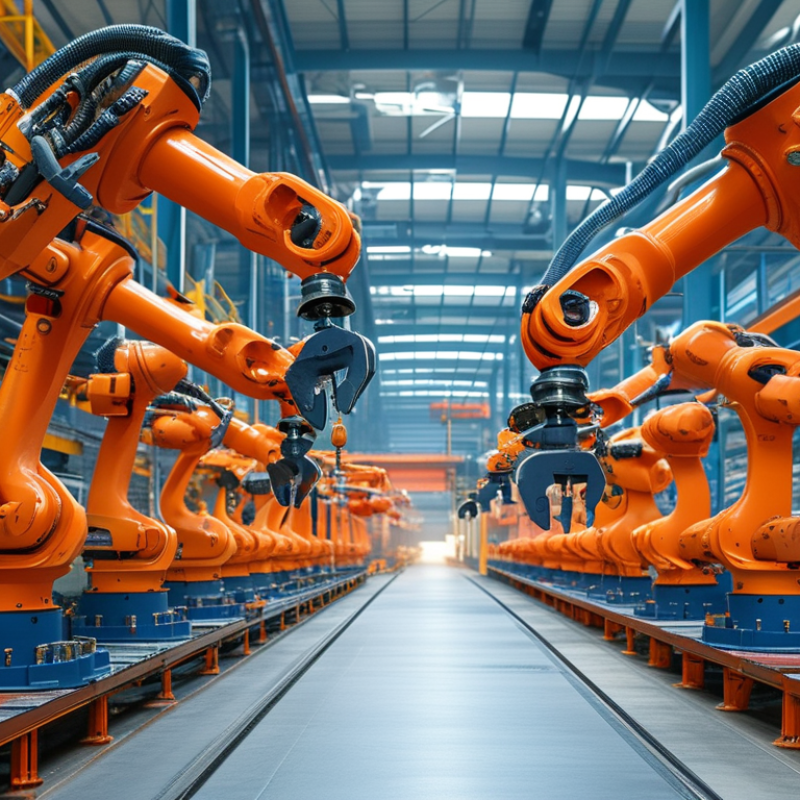
How Does Industrial Automation Enhance Manufacturing Efficiency?

Role of Industrial Automation in Modern Manufacturing Processes

Industrial automation plays a crucial role in modern manufacturing processes. It enhances productivity and streamlines operations. Factories now employ robots and automated systems for repetitive tasks. This not only reduces human error but also increases the speed of production. Workers can focus on more strategic tasks, fostering innovation.

Tips: Consider investing in training programs. They ensure staff can effectively collaborate with automated systems. Regular assessments are essential. They help identify areas for further optimization in processes.

Automation also brings challenges. Implementing new technologies can require significant upfront investment. Some employees may resist change, fearing job loss. Addressing these concerns is vital for a smooth transition. Open communication can build trust and ease fears among the workforce.

Tips: Encourage feedback from employees about automation changes. This can lead to new insights and improvements. Creating a culture of adaptability can pave the way for successful integration of automation in your manufacturing setup.

Key Technologies Driving Industrial Automation in Manufacturing

Industrial automation is reshaping the manufacturing landscape by integrating advanced technologies that enhance efficiency. Key technologies such as robotics, the Internet of Things (IoT), and artificial intelligence (AI) are at the forefront of this transformation. According to a report from McKinsey, companies that adopt automation can improve productivity by up to 30% within a year. This significant improvement reduces operational costs and increases output, giving businesses a competitive edge.

Robotics plays a crucial role in automating repetitive tasks. These machines can work 24/7 without fatigue. A study from the International Federation of Robotics indicates that increased robot adoption in manufacturing can boost productivity by nearly 15%. However, integrating robotics requires careful planning and training. Workers must adapt to new roles, which can create initial resistance. Addressing workforce concerns is vital for successful implementation.

Tip: Start with small automation projects to understand the benefits before scaling up. Measuring success through pilot programs can guide larger investments. The IoT is another game-changer, providing real-time data for smarter decision-making. Companies that implement IoT solutions see an average efficiency increase of 25%. Ultimately, the goal is to enhance production without facing major disruptions. Balancing technology with human insight will be a challenge but is essential for future growth.

Impact of Automation on Production Speed and Quality Control

Automation in manufacturing significantly influences production speed. By integrating robotic systems, companies can run processes continuously. Tasks that were once labor-intensive can now be completed in a fraction of the time. For instance, automated assembly lines utilize precise machinery to enhance throughput. This swift pace can lead to higher order fulfillment rates.

Quality control also benefits from automation. Advanced sensors monitor production metrics in real-time. This ensures that any defects are detected immediately. Unlike manual inspections, which can overlook errors, automation provides consistent accuracy. Yet, reliance on technology may not eliminate all issues. Continuous adjustment and fine-tuning of machines are essential. Understanding this balance is crucial for maintaining product standards. Oversight remains necessary to adapt to any unforeseen complications.

Cost Reduction Strategies Through Industrial Automation Implementation

Industrial automation can significantly reduce costs in manufacturing. By integrating automated systems, companies can streamline processes, minimize labor costs, and improve resource allocation. Robots and machinery perform repetitive tasks with greater speed and precision. This leads to fewer errors and less waste. Moreover, maintenance costs can drop due to predictive analytics and real-time monitoring.

Implementing automation requires careful planning. Analyze your current processes to identify inefficiencies. Invest in training for staff to adapt to new systems. Consider potential hidden costs, like downtime during the transition. Below are tips for a successful automation strategy:

- Start small. Test automation in a single area before scaling.
- Monitor results closely. Adjust based on performance data to avoid pitfalls.
- Keep communication open among team members to ensure smooth adoption.

Automation can enhance productivity. Yet, it’s essential to recognize potential challenges. Not all employees may embrace these changes immediately. Addressing concerns and ensuring a smooth transition is vital for success.

Impact of Industrial Automation on Manufacturing Efficiency

Challenges and Solutions in Adopting Automation in Manufacturing Industry

The manufacturing industry faces notable challenges when adopting industrial automation. One major challenge is the significant upfront investment required. Implementing automated systems can strain budgets, particularly for smaller firms. Additionally, there is often a skills gap in the workforce. Many employees may lack the technical knowledge to operate advanced machinery effectively.

Moreover, integrating automation into existing workflows can be complicated. Businesses may encounter resistance from employees who fear job loss. This psychological barrier can hinder the adoption process. Training programs and clear communication are crucial for easing these concerns. Companies need to highlight the benefits of automation, such as enhanced productivity and reduced manual errors.

Despite these challenges, solutions are emerging. Industry experts recommend starting with pilot projects. This approach allows manufacturers to test automation in a controlled manner. Feedback from these projects can guide broader implementation strategies. Continuous evaluation is vital. Businesses must be willing to adapt their methods as technology evolves. This flexibility can enhance overall efficiency while minimizing disruption.

FAQS

: What is the primary benefit of industrial automation in manufacturing?

: Industrial automation enhances productivity and streamlines operations in factories.

How does automation influence production speed?

Automation allows continuous operation, completing tasks quickly that were once labor-intensive.

What role do employees play in an automated environment?

Workers can focus on strategic tasks, fostering innovation while technology handles repetitive work.

Why is training important in adopting automation?

Training programs ensure staff can work effectively with automated systems and improve collaboration.

What are common challenges in implementing automation?

Significant upfront investments and a skills gap in the workforce are notable challenges.

How can companies address employees' fears about automation?

Open communication and addressing concerns are vital for smooth transitions in the workplace.

What is a practical first step for implementing automation?

Starting with pilot projects helps test automation in a controlled setting before broader implementation.

How can feedback improve automation processes?

Employee feedback can lead to new insights and continuous improvements in automation practices.

Why is oversight still necessary in automated systems?

Continuous adjustment of machines is essential to adapt to unforeseen complications and maintain quality.

What mindset is useful for companies adopting automation?

A culture of adaptability can facilitate better integration of automation within manufacturing setups.

Conclusion

Industrial automation plays a crucial role in modern manufacturing processes by streamlining workflows and enhancing productivity. By integrating key technologies such as robotics, artificial intelligence, and IoT, factories can achieve significant improvements in production speed and quality control. For instance, automation enables real-time monitoring and precision in manufacturing tasks, reducing errors and increasing output consistency.

Moreover, how does industrial automation improve manufacturing efficiency can be seen through its ability to implement cost reduction strategies effectively. By minimizing manual labor and optimizing energy usage, companies can lower operational costs significantly. However, the transition to automated systems comes with its own set of challenges, including workforce adaptation and initial investment costs. Addressing these challenges with strategic planning and training can pave the way for successful automation adoption, ultimately driving the manufacturing sector towards greater efficiency and competitiveness.

Liam

Liam

Liam is a dedicated marketing professional with a profound expertise in the industry, where he excels at highlighting the unique advantages of our core products. With a keen understanding of market trends and consumer needs, Liam frequently updates our company’s professional blog, providing......