The shift towards Industrial Internet of Things (IIoT) in manufacturing is transforming the industry landscape. According to a report by McKinsey, 70% of companies are increasing their investment in digital technologies, including IIoT. These systems not only streamline operations but also enhance data-driven decision-making. However, organizations still face challenges in knowing how to implement an IIoT system in manufacturing effectively.
Implementation requires a strategic approach. Many manufacturers lack clarity on the initial steps. The Gartner Group states that 56% of companies struggle with defining their vision for IIoT. Without this vision, efforts may lead to wasted resources and misaligned projects. It’s essential to assess both current infrastructure and future goals critically.
Furthermore, as industries adopt IIoT, some companies overlook the need for employee training. A report by Deloitte reveals that 60% of workers feel unprepared for new technologies. This gap highlights the need for holistic implementation strategies. Adopting IIoT can yield remarkable benefits, but understanding how to do so properly is key to success.
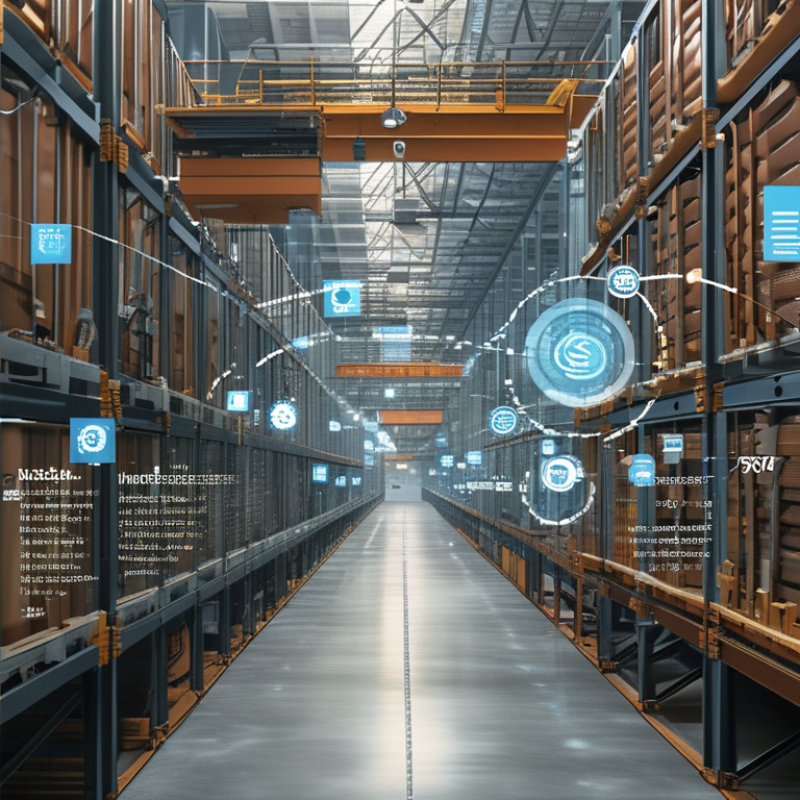
In today's manufacturing landscape, the implementation of an Industrial Internet of Things (IIoT) system is essential. Identifying industry needs and goals is the foundational step in this process. It is reported that 70% of organizations struggle with aligning their IIoT strategies with business objectives. Understanding specific industry challenges can help in creating tailored solutions.
Manufacturers should conduct a thorough analysis of their operational environment. For instance, using IoT data to monitor machine performance can lead to a reduction in downtime. Industry reports show that predictive maintenance can yield savings of 12% annually. Defining clear objectives, such as increasing efficiency or reducing waste, ensures that IIoT adoption is purposeful.
Gathering input from stakeholders is critical. Engaging frontline workers often provides insights into real-world challenges. Half of the time, businesses overlook these perspectives, leading to ineffective implementations. Regular reflection on these insights can shape a more effective strategy and improve project outcomes. Ultimately, understanding the unique needs of the industry is a vital step towards successful IIoT integration in manufacturing.
| Step | Description | Industry Needs | Goals |
|---|---|---|---|
| 1 | Identify key business challenges. | Increased operational efficiency | Reduce production costs |
| 2 | Define clear objectives for IIoT implementation. | Data-driven decision making | Improve product quality |
| 3 | Assess current technology and infrastructure. | Integration capability | Enhance system interoperability |
| 4 | Identify data sources and data architecture. | Real-time monitoring | Enable predictive maintenance |
| 5 | Develop a robust cybersecurity strategy. | Protect sensitive data | Ensure compliance and safety |
| 6 | Choose the right IIoT platforms and tools. | Scalability and flexibility | Maximize ROI on technology |
| 7 | Pilot testing of IIoT implementations. | Trial of applications | Refine systems based on feedback |
| 8 | Training and support for staff. | Enhancing team skills | Increase technology adoption |
| 9 | Full-scale deployment of IIoT systems. | Comprehensive integration | Optimize operations |
| 10 | Continuous evaluation and improvement. | Sustaining competitive advantage | Enhance business resilience |
: It lays the groundwork for aligning IIoT strategies with business objectives, addressing specific industry challenges.
Many lack the necessary technology, which reveals a barrier to successful IIoT adoption.
They provide valuable insights into real-world challenges, which many businesses often overlook.
Outdated sensors can hinder data collection, negatively impacting the IIoT strategy and its effectiveness.
Assess current operations, identify areas for improvement, and engage stakeholders for collaboration.
Provide thorough training and remain open to adjusting strategies based on ongoing assessments.
It helps track progress and ensures that each phase focuses on achievable goals.
It allows organizations to adapt their strategies based on performance metrics, leading to better outcomes.
Many overlook the importance of proper infrastructure and technology readiness, leading to stalled efforts.
Accepting failures as part of the learning curve can foster improvements in future projects.
Implementing an IIOT system in manufacturing requires a strategic approach to ensure success. The first step involves identifying industry needs and setting clear goals specific to IIOT implementation. Next, it is crucial to evaluate the current infrastructure and assess the organization’s readiness for incorporating IIOT technologies. This assessment helps in selecting the most suitable IIOT solutions that align with manufacturing processes.
A well-developed IIOT deployment strategy and timeline are essential for a smooth transition. Finally, once the system is in place, monitoring performance metrics is vital to ensure the effectiveness of the IIOT solutions. Adjustments may be necessary to optimize the system’s performance, ensuring that the implementation not only meets initial goals but also evolves with changing industry demands. This structured approach outlines how to implement an IIOT system in manufacturing effectively.

 Eeptron PLC